Categories
Blog

How Often Should You Get an Eye Checkup?

How Often Should You Get an Eye Checkup?

Most healthy adults need an eye checkup in once every one to two years. If you are over 40, diabetic, wear contact lenses, or have a family history of eye disease, an annual checkup is a safer interval. Children should have their first exam by age five and a checkup every year once school starts.
The right frequency depends on your age, existing eye conditions, and general health. Below is a clear breakdown so you know exactly when your next visit is due.

Key Takeaways

  • Adults 18-39 with no symptoms: every 1-2 years
  • Adults 40 and above: every 1-2 years, or as advised after a baseline exam
  • Diabetics and hypertensive patients: at least once a year
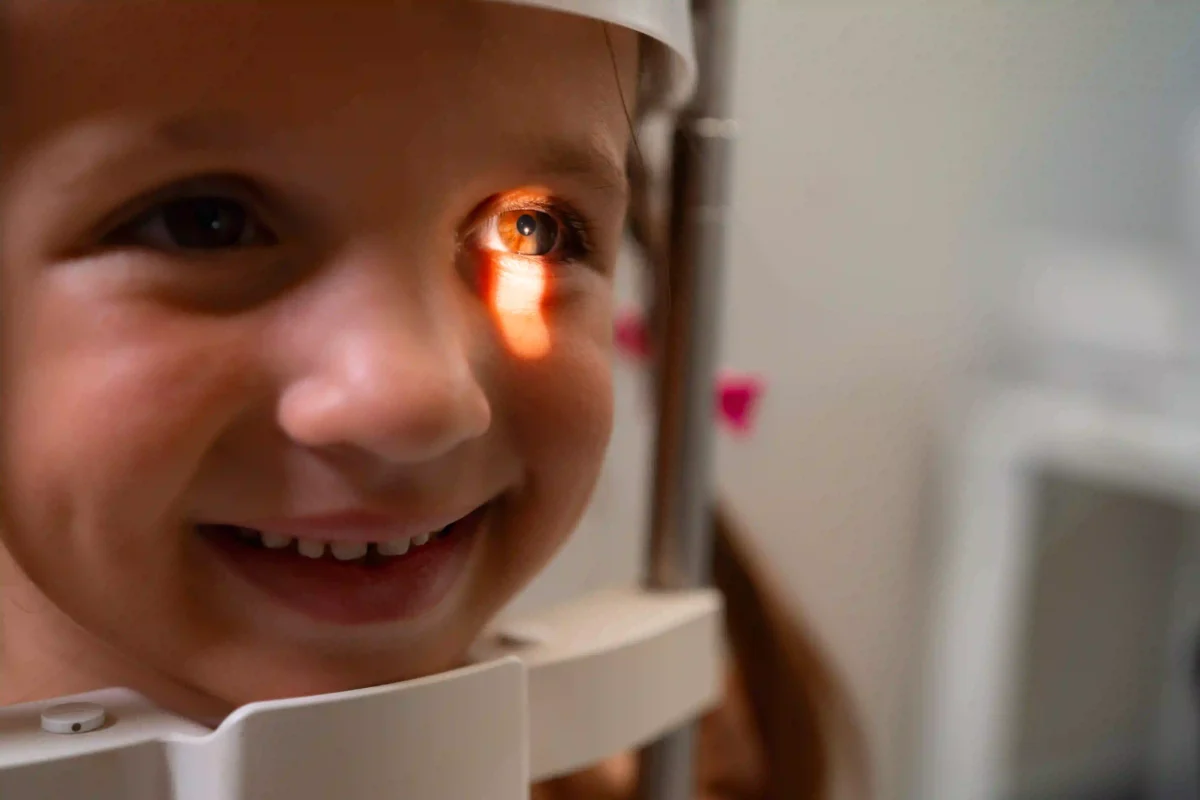
  • Children: first exam by age 5, then every year through school
  • Contact lens wearers: every year, without exception
  • Sudden vision changes, pain, or redness: see a doctor immediately, do not wait for your scheduled date

Table of Contents

  1. What Is an Eye Checkup?

  2. Why Is a Regular Eye Checkup Important?

  3. Types of Eye Checkups

  4. Benefits of Regular Eye Checkups

  5. How Often Should You Get an Eye Checkup?

  6. Best Practices and Tips

  7. Common Mistakes to Avoid

  8. FAQs

  9. Conclusion

What Is an Eye Checkup?

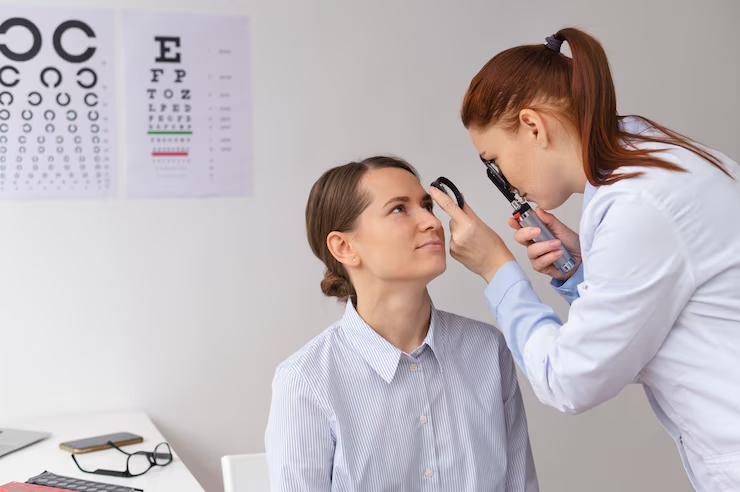
A comprehensive eye checkup is a set of tests that examines both your vision and the overall health of your eyes. It goes beyond reading a chart on the wall.

A typical checkup includes:

  • Visual acuity test – how clearly you see at different distances
  • Refraction test – to check for glasses or contact lens power
  • Eye pressure (tonometry) – to screen for glaucoma
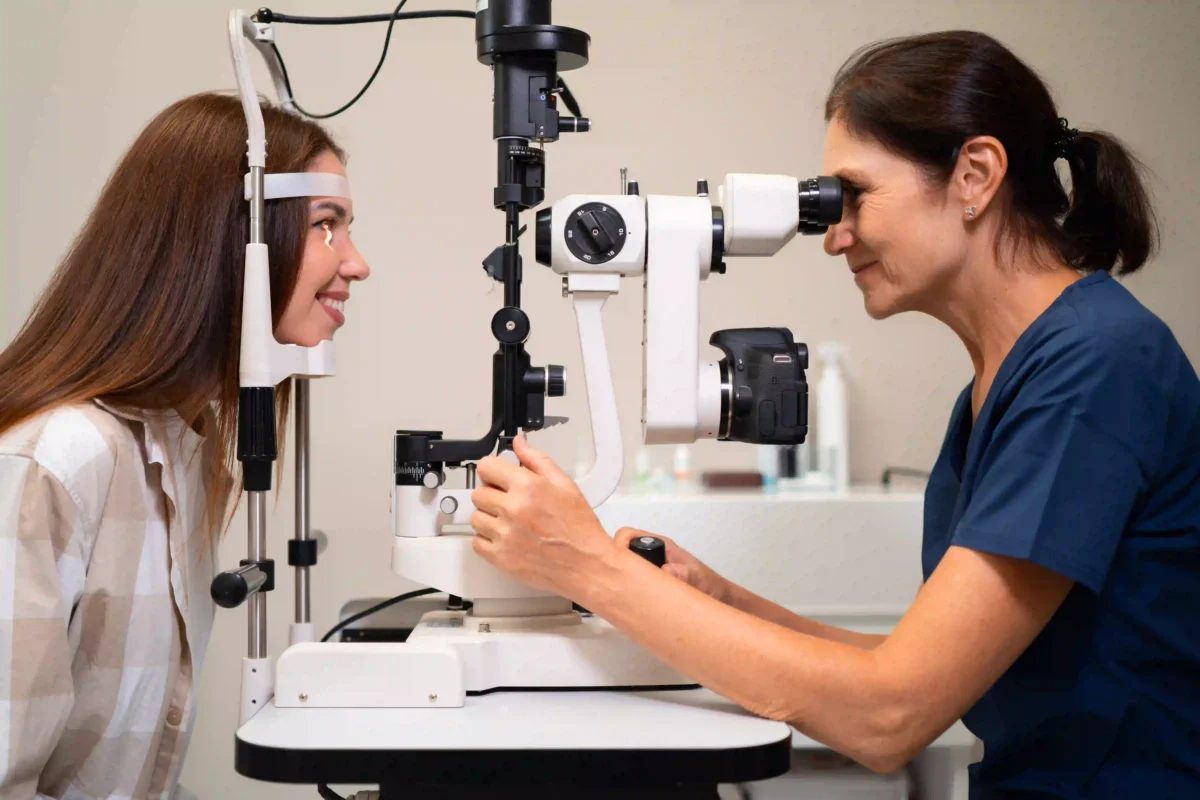
  • Slit-lamp examination — a close look at the front of the eye
  • Dilated retina exam — to check the back of the eye, including the retina and optic nerve
  • Colour vision and eye movement checks, where needed

Why Is a Regular Eye Checkup Important?

Many eye conditions do not cause pain or noticeable symptoms until vision loss has already begun. A checkup catches these early, when treatment works best.

  • Glaucoma and diabetic retinopathy often progress silently
  • Diabetes and high blood pressure are common in Kerala, and both affect eye health directly
  • Long hours on phones and laptops add strain and speed up dryness and fatigue
  • Children’s eye problems can affect learning if left uncorrected
  • A checkup can also flag early signs of conditions unrelated to the eyes, such as diabetes or hypertension

Types of Eye Checkups

Not every visit needs to be a full comprehensive exam. Here is how the common types differ:

Type of Checkup

Who It’s For

Recommended Frequency

Basic vision screening

Anyone checking for glasses power

As needed, or every 1-2 years

Comprehensive dilated exam

Adults 40+, or anyone with risk factors

Every 1-2 years

Pediatric eye exam

Children from age 5 onward

Annually

Diabetic eye exam

Diabetics of any age

Annually, or as advised

Glaucoma screening

Adults 40+, family history of glaucoma

Every 1-2 years

Contact lens exam

Contact lens wearers

Annually

Pre/post-surgical exam

Cataract, LASIK, or retina surgery patients

As advised by the surgeon

Benefits of Regular Eye Checkups

  • Early detection of glaucoma, cataracts, and diabetic retinopathy, before symptoms appear
  • An up-to-date prescription for glasses or contact lenses
  • Lower risk of permanent vision loss from untreated conditions
  • Detection of systemic issues such as diabetes or high blood pressure through eye findings
  • Better comfort for screen-heavy work through timely correction of eye strain and dryness
  • Confirmation that your child’s vision is not holding back their schoolwork

How Often Should You Get an Eye Checkup?

Use your age group and health profile to find your recommended interval:

  • Children (up to 18 years): first comprehensive exam by age 5, then a checkup every year once school begins.
  • Adults 18-39 years: every 1-2 years if you have no symptoms or known risk factors.
  • Adults 40-64 years: a baseline exam at 40, then every 1-2 years, or sooner if your doctor recommends it.
  • Adults 65 and above: every year, since the risk of cataracts, glaucoma, and macular degeneration rises with age.
  • Diabetics or hypertensive patients: at least once a year, regardless of age, to screen for diabetic retinopathy.
  • Contact lens wearers: every year, to check for corneal changes and infection risk.
  • Anyone with symptoms: sudden blurring, floaters, flashes of light, pain, or redness needs an exam right away, not at the next scheduled date.

For a detailed age-wise breakdown, see the American Academy of Ophthalmology’s eye exam guidelines.

Best Practices and Tips

A checkup only covers one point in time. These habits help protect your eyes in between visits.

When choosing an eye hospital in Thrissur, look for a team that combines experienced ophthalmologists with proper diagnostic equipment rather than a quick vision-only check. Dr. Rani Menon Maxivision Eye Hospitals has been treating patients in Thrissur, Guruvayur, Wadakkancherry, and Kunnamkulam since 2008, with comprehensive checkups, diabetic and glaucoma screening, and dilated retina exams available across branches.

  • Follow the 20-20-20 rule: every 20 minutes on a screen, look at something 20 feet away for 20 seconds
  • Wear UV-protective sunglasses outdoors, especially during Kerala’s peak sun hours
  • Keep diabetes and blood pressure under control, since both affect the retina directly
  • Do not self-medicate for redness or irritation with over-the-counter drops for more than a couple of days
  • Replace contact lenses as prescribed, and never sleep in daily-wear lenses
  • Set a yearly reminder for your checkup instead of waiting until vision feels off

Common Mistakes to Avoid

Mistake

Why It’s a Problem

Waiting for symptoms before booking a checkup

Glaucoma and diabetic retinopathy often show no symptoms until damage is already done

Skipping checkups because vision “feels fine”

Feeling fine does not rule out early-stage eye disease

Relying only on online or phone vision tests

These check acuity only, not eye pressure, retina health, or eye disease

Not sharing family or medical history with the doctor

Diabetes, hypertension, and family history change how often you should be screened

Delaying a child’s first eye exam

Uncorrected vision problems can affect learning and go unnoticed by parents and teachers

Wearing contact lenses without annual exams

Raises the risk of corneal infection and other complications going undetected


Frequently Asked Questions 

Conclusion

The right interval for an eye checkup depends on your age and risk factors, but the general rule holds: once vision or eye health starts to change silently, only a proper exam catches it in time. Book a comprehensive eye checkup at your nearest Dr. Rani Menon Maxivision Eye Hospitals branch to stay ahead of it.

Tags :
Blog
Share This :
Categories
Blog

Is Monsoon Making Your Vision Worse? Cataract Treatment in Thrissur Explained

Is Monsoon Making Your Vision Worse? Cataract Treatment in Thrissur Explained

The monsoon season is undeniably beautiful. It brings cooler weather and refreshing rain to our daily lives, completely transforming the landscape around us. However, for a lot of people, these heavy downpours can unexpectedly make existing vision problems much more noticeable and frustrating.

Have you been experiencing blurry vision, an annoying increase in glare, or serious difficulty driving in the rain? Perhaps you are suddenly finding it a real struggle to see clearly in low light? If this sounds familiar, cataracts could actually be the cause of your struggles. While the rain itself obviously doesn’t cause cataracts to form, the cloudy skies, reduced visibility, and rapidly changing light conditions can make cataract symptoms feel significantly worse. Understanding these common symptoms early on and seeking timely cataract treatment can do wonders to protect your vision and drastically improve your overall quality of life.

Table of Contents

  1. Why Does Vision Feel Worse During the Monsoon?
  2. What Is a Cataract?
  3. When Should You Consider Cataract Surgery?
  4. How Cataract Treatment Works
  5. Benefits of Early Cataract Treatment
  6. Why Choose Dr. Rani Menon Maxivision Eye Hospital in Thrissur?
  7. Frequently Asked Questions
  8. Protect Your Vision This Monsoon

Why Does Vision Feel Worse During the Monsoon?

The heavy monsoon weather naturally creates highly specific lighting conditions that can easily make cataract symptoms much more noticeable than usual. 

The sudden lack of sunshine and reduced natural light instantly decreases your visual clarity, making everything look a bit gloomier.

On top of that, wet roads and deep puddles act almost like mirrors. These reflections severely increase glare, especially when you are trying to navigate traffic. Cloudy weather naturally lowers your contrast sensitivity, meaning it becomes much harder to distinguish objects from their backgrounds. When you add glaring headlights cutting through the heavy rain, they often create highly distracting halos and scattered light. Furthermore, the high humidity that accompanies the rain may even worsen overall eye discomfort.

What Is a Cataract?

To understand the solution, it helps to understand the problem. A cataract develops when the eye’s natural lens – which should normally be crystal clear – becomes cloudy over time. This cloudiness acts like a dirty window, preventing light from passing through clearly to the back of your eye.

Common Symptoms to Watch For:

  • A persistent blurred or cloudy vision that glasses can’t fix.
  • Increasing difficulty seeing at night or in dimly lit rooms.
  • A newly developed, sharp sensitivity to bright lights.
  • Seeing distracting rings or halos around light sources.
  • Needing frequent, unhelpful changes in your spectacle prescription.
  • Noticing that colors seem faded, yellowed, or generally dull.

When Should You Consider Cataract Surgery?

There is an old misconception that you have to wait until a cataract is “ripe” or until you are completely blind to get it fixed. Today, cataracts should be treated when they simply begin affecting your daily life, rather than waiting until your vision becomes severely impaired.

You Should Consult an Eye Specialist If:

  • Your declining vision is starting to affect your work performance or your daily household activities.
  • Driving at night becomes frightening or overly difficult.
  • Reading the newspaper or looking at your phone requires much brighter lighting than it used to.
  • Your brand-new glasses no longer improve your vision.
  • The glare from the sun or headlights makes outdoor activities actively uncomfortable.

How Cataract Treatment Works

If you are feeling nervous about the procedure, you can rest easy. Modern cataract surgery is universally recognized as one of the safest, fastest, and most effective eye procedures currently available in the medical world.

The Treatment Process:

  • Initial Step: It all begins with a comprehensive eye examination to map out your specific eye health.
  • Scanning: We use advanced diagnostic scans to get precise measurements of your eye.
  • Lens Choice: Together, we manage the careful selection of the most suitable intraocular lens (IOL) to match your specific lifestyle needs.
  • The Procedure: We perform a small-incision, minimally invasive cataract surgery that is incredibly precise.
  • Healing: Patients enjoy a quick recovery time paired with thorough post-operative follow-up appointments.

Benefits of Early Cataract Treatment

Delaying your treatment doesn’t just prolong the inevitable; it can unnecessarily and deeply affect your quality of life and independence.

Advantages of Early Surgery:

  • A massive return of improved vision and overall clarity.
  • Significantly better, safer night driving without the fear of blinding glare.
  • A highly welcomed reduction in frustrating glare and halos.
  • Enhanced color perception—making the world look vibrant again.
  • A greater sense of independence and safety in your daily routines.
  • A much lower risk of the cataracts becoming overly dense and harder to remove later.

Why Choose Dr. Rani Menon Maxivision Eye Hospital in Thrissur?

Choosing a highly experienced eye hospital plays a massively important role in achieving a successful, stress-free treatment outcome. Your eyes deserve the best care possible.

What We Offer:

  • A dedicated team of highly experienced cataract surgeons.
  • The use of completely advanced diagnostic technology for precision care.
  • State-of-the-art, modern phacoemulsification surgery techniques.
  • A wide array of premium intraocular lens (IOL) options tailored to you.
  • Deeply personalized treatment planning that treats you as an individual.
  • Incredibly comprehensive pre- and post-operative care.
  • A strict patient-first approach matched with the highest international standards of safety.

Frequently Asked Questions 

Protect Your Vision This Monsoon

If the cloudy, gloomy monsoon weather has actively made your vision feel worse, please don’t ignore the warning signs. Blurry vision, increased glare, and a sudden difficulty seeing in low-light conditions may strongly indicate that you have cataracts that require a professional evaluation.

Early diagnosis and timely treatment can easily restore your clear vision and help you enjoy every single season with total confidence. Don’t let poor vision keep you indoors. Schedule a comprehensive eye examination with the dedicated specialists at Dr. Rani Menon Maxivision Eye Hospital in Thrissur today, and confidently take your very first step toward healthier, brighter eyesight.

Tags :
Blog
Share This :
Categories
Blog

Are Childhood Eye Conditions Genetic? What Every Parent Should Know

Are Childhood Eye Conditions Genetic? What Every Parent Should Know

Yes some childhood eye conditions do have a genetic component. While not every vision problem is inherited, a family history of eye disease can increase a child’s risk of conditions such as myopia (nearsightedness), strabismus (crossed eyes), congenital cataracts, glaucoma, color blindness, and certain retinal disorders. Early eye exams and timely treatment are key to protecting a child’s vision and supporting healthy visual development. 

Table of Contents 

  • What Does It Mean for an Eye Condition to Be Genetic? 
  • Which Childhood Eye Conditions Can Be Inherited? 
  • Signs Parents Should Watch For 
  • Does Family History Always Mean a Child Will Have Vision Problems? 
  • How Can Parents Protect Their Child’s Eye Health? 
  • Frequently Asked Questions 
  • Conclusion 

What Does It Mean for an Eye Condition to Be Genetic? 

A genetic eye condition is one that is influenced or caused by changes in a person’s genes. These genes can be passed from parents to their children, increasing the likelihood of certain eye disorders.

However, genetics is only one part of the picture. Environmental factors such as excessive screen time, limited outdoor activity, premature birth, injuries, or infections may also affect a child’s vision. Even if there is no family history of eye disease, regular eye examinations remain important. 

Which Childhood Eye Conditions Can Be Inherited? 

Several eye conditions are known to have a genetic link. 

Myopia (Nearsightedness) 

Children with one or both parents who are nearsighted have a higher chance of developing myopia. Spending more time outdoors and limiting prolonged near work may help reduce its progression. 

Strabismus (Crossed or Misaligned Eyes) 

Strabismus often runs in families and may cause one eye to turn inward, outward, upward, or downward. Early treatment can prevent permanent vision loss due to amblyopia. 

Amblyopia (Lazy Eye) 

Although amblyopia itself is not always inherited, conditions that cause it-such as strabismus or significant differences in prescription between the eyes-may have a family history. 

Congenital Cataracts

Some babies are born with cataracts because of inherited genetic changes. Early diagnosis and treatment are important for normal visual development. 

Congenital Glaucoma 

This rare but serious condition may be inherited and can damage the optic nerve if not treated promptly. 

Color Vision Deficiency 

Color blindness is one of the most common inherited vision conditions and is more frequently seen in boys. 

Retinal Disorders 

Inherited retinal diseases, including retinitis pigmentosa and Stargardt disease, can affect vision from childhood or adolescence and often require specialized care. 

Signs Parents Should Watch For 

Kids often don’t realize they’re having trouble seeing a lot of them just assume everyone sees the way they do. That’s why it’s really on parents to watch for the warning signs: 

  • Squinting a lot 
  • Sitting way too close to the TV 
  • Holding books right up to their face 
  • Tilting or turning their head to look at things 
  • Eyes that seem crossed or drift 
  • Excessive blinking or rubbing their eyes 
  • Complaining of headaches or blurry vision 
  • Struggling to read or focus in school 
  • Being unusually sensitive to light 
  • A white reflection showing up in the pupil in photos
Does Family History Always Mean a Child Will Have Vision Problems? 

Not necessarily. Having a family history raises the odds, but it’s no guarantee plenty of kids with eye conditions in the family never develop one themselves. And the reverse is just as true: some children with no family history at all still end up with vision problems. 

That’s really the argument for regular eye exams. Most issues don’t show obvious symptoms early on, so a checkup often catches something well before a parent would ever notice anything’s wrong. And catching it early tends to make a real difference, better treatment outcomes, and a much lower risk of lasting vision loss. 

How Can Parents Protect Their Child’s Eye Health? 

You can’t change your child’s genetics, but there’s still a lot you can do to support healthy vision along the way: 

  • Keep up with routine, comprehensive eye exams 
  • Let your eye doctor know about any family history of eye disease 
  • Get your kids outside to play every day 
  • Keep recreational screen time in check 
  • Make sure they’re reading in good light, not dim rooms 
  • Feed them a balanced diet fruits, vegetables, and omega-3s all support eye health 
  • Have them wear protective eyewear for sports and outdoor activities 
  • Stick with any prescribed treatment, whether that’s glasses or an eye patch 

These habits can contribute to healthy visual development and help detect problems early. 

Frequently Asked Questions 

Conclusion 

Genetics can play an important role in a child’s eye health, but inherited risk does not always mean vision problems are inevitable. Understanding your family’s eye health history, recognizing early warning signs, and scheduling regular comprehensive eye examinations can help identify potential issues before they affect your child’s development and learning. With early diagnosis, appropriate treatment, and ongoing monitoring, many childhood eye conditions can be successfully managed, giving children the best opportunity for healthy vision throughout life.

Tags :
Blog
Share This :
Categories
Blog

Sleeping in Eye Makeup: 5 Warning Signs You Shouldn’t Ignore

Sleeping in Eye Makeup: 5 Warning Signs You Shouldn’t Ignore

Wearing eye makeup to bed presses bacteria, oil, and mascara into the eyelid and along the lash line while you sleep. This can block the oil glands, irritate the cornea, and lead to infection-such as blepharitis, styes, and conjunctivitis.

Occasional slips are rarely damaging, but some effects from all that sleep wearing add up over time:

Table of Contents

  1. What Actually Happens to Your Eyes Overnight 
  2. 5 Warning Signs of Irritation or Infection to Watch For
  3. Why This Happens More With Certain Products
  4. How to Protect Your Eyes If You Occasionally Forget
  5. In the Media: Hindustan Times Feature
  6. Frequently Asked Questions


1. What Actually Happens to Your Eyes Overnight

The eyelid margin contains tiny oil glands (meibomian glands) that keep the tear film stable. When mascara, eyeliner, or eyeshadow sits on the lash line for 7-8 hours, three things tend to happen:

  • Makeup blocks the tiny oil glands on your eyelid, so your eyes lose the oily layer that normally stops tears from drying out.
     
  • Bacteria on your skin multiply faster trapped under makeup all night in that warm, damp environment.
     
  • Flakes of mascara or eyeshadow rub against your eye while you sleep, since your eyes move around a lot during deep sleep this can scratch the cornea.


2. 5 Warning Signs of Irritation or Infection to Watch For

  1. Redness That Doesn’t Go Away by Noon
  • A little redness after a bad night’s sleep is normal and fades within an hour. But if your eyes stay red past midday, or this keeps happening every day, it’s a sign of irritation or a mild infection, not just tiredness.
  1. A Gritty, “Something’s in My Eye” Feeling
  • If your eye feels like there’s sand or an eyelash stuck in it, and blinking or eye drops don’t help, it usually means something (leftover makeup or debris) is irritating the surface of your eye.
  1. Crusty or Sticky Eyes When You Wake Up
  • If your eyelashes are stuck together in the morning, or you see yellow, green, or crusty discharge, this is a common sign of an eye infection or eyelid inflammation closely linked to sleeping in makeup.
  1. A Painful Bump on Your Eyelid
  • A tender, swollen bump on the eyelid (commonly called a stye) usually means an oil gland got blocked and infected. If you keep getting these in the same spot, see an eye doctor instead of treating it yourself each time.
  1. Blurry or Changing Vision
  • If your vision looks hazy right after waking up, or keeps changing throughout the day, don’t ignore it. This could mean your eye’s surface is irritated, or in more serious cases, scratched or infected. Don’t try to treat this on your own.

Important: See a doctor right away if you notice: eye pain, sensitivity to light, blurry vision that won’t clear up, or discharge along with swelling. These can be signs of a serious infection that needs urgent treatment to protect your vision.

3. Why This Happens More With Certain Products

Product

Main Risk Overnight

Waterproof mascara

Hardest to fully remove; residue flakes onto the cornea

Liquid/gel eyeliner

Migrates closer to the waterline, blocking meibomian glands

False lash glue

Can trap bacteria against the lid margin

Old or expired mascara

Bacterial contamination risk rises sharply after 3 months of use

4. How to Protect Your Eyes If You Occasionally Forget

  • Keep gentle makeup remover wipes on your nightstand (not just in the bathroom) for nights you’re too tired for a full skincare routine.
     
  • Don’t sleep in false lashes or lash extensions with heavy leftover glue, take them off or get them properly maintained.
     
  • Throw out and replace mascara every 3 months, even if there’s product left.
     
  • If your eyes feel irritated, don’t rub them. Rinse gently with clean warm water or use preservative free eye drops.

5.  In the Media: Hindustan Times Feature

Dr. Rani Menon and Dr. Rani Menon Maxivision Eye Hospitals were recently featured in a trend-based eye health story by Hindustan Times.

In this exclusive coverage, our eye surgeons share expert insights on exactly what happens when you leave your eye makeup on overnight, discussing these critical warning signs of irritation and infection with a wider audience.

👉 Read the full Hindustan Times article here.

6. Frequently Asked Questions

Is it bad to sleep in eye makeup one time? A single occurrence is unlikely to cause lasting harm for most people, though mild redness or dryness the next morning is common. The risk builds with frequency, not a single incident.

Can sleeping in mascara cause permanent eye damage? Rarely from one night, but repeated overnight wear is linked to chronic blepharitis, meibomian gland dysfunction, and in severe, untreated infections corneal scarring that can affect vision permanently.

How long does eye irritation from makeup last? Mild irritation typically resolves within 24 to 48 hours once makeup is properly removed. Symptoms lasting longer, or worsening, warrant an eye exam.

What’s the fastest way to remove eye makeup safely at night? Use a dedicated, ophthalmologist-tested eye makeup remover with a gentle, non-rubbing motion, followed by a clean water rinse to avoid harsh wipes that drag on the delicate eyelid skin.

Can old mascara cause an eye infection even if I remove it before bed? Yes. Bacteria multiply inside the tube itself after about 3 months of use, so even same-day removal doesn’t eliminate the contamination risk from expired product.

Tags :
Blog
Share This :
Categories
Eye treatment

Top 5 Benefits of Living Life Glass Free

For many, spectacles are an indispensable part of daily life. Although glasses help correct vision, they often come with dependency and inconvenience. However, with advanced modern-day procedures such as LASIK and ICL, it is now possible to bid goodbye to spectacles forever. These treatments improve visual clarity and comfort, allowing individuals to enjoy life without the constant need for eyewear.


Here are the top five advantages of choosing a glass-free life:


  1. Freedom from Glasses Every Day


With vision correction comes a sense of independence. There is no need to spend extra time worrying about the breakage of glasses, cleaning lenses, or adjusting frames. When comparing LASIK vs glasses, LASIK offers a long-term solution rather than a daily dependence on spectacles.


  1. Greater Comfort in Daily Life


Glasses can feel uncomfortable during long work hours, travel, or changing weather conditions. Living without them brings ease and flexibility. One of the major LASIK advantages is the ability to enjoy clear vision without pressure marks, slipping frames, or fogged lenses.


  1. Active and Unrestricted Lifestyle


Spectacles can often become a hindrance during physical activities such as sports, workouts, and swimming. A glass-free life allows you to move freely and confidently. Life after LASIK often feels more spontaneous, with fewer limitations in both personal and professional routines.


  1. Improved Confidence and Appearance


Not relying on glasses can positively impact self-image. Many people feel more confident in social and professional environments when they see and present themselves naturally, without external visual aids.


  1. Long-Term Convenience and Value


Glasses require regular replacements, repairs, and prescription updates. In comparison, LASIK benefits include advanced technology, personalised treatment plans, and long-lasting visual comfort that significantly reduces long-term dependence on eyewear.


Freedom from glasses is not just about sharper eyesight; it is about embracing a life of ease, confidence, and independence. The key lies in choosing the right procedure at the right time, guided by expert care. Whether you are considering LASIK or ICL for long-term visual clarity, timely consultation makes all the difference.


Dr. Rani Menon Maxivision Eye Hospital, a super-speciality hospital based in Thrissur, Kerala, offers advanced LASIK & ICL treatment backed by experienced specialists, state-of-the-art technology, and personalized treatment plans. The unmatched expertise makes visual freedom a safe and achievable reality.

Categories
Blog Eye treatment

Are you Suffering from Computer Vision Syndrome? Discover the Symptoms and Solutions!

Are You Suffering from Computer Vision Syndrome? Discover the Symptoms and Solutions!

Are you Suffering from Computer Vision Syndrome? Discover the Symptoms and Solutions!

Screen time has become unavoidable for all of us, regardless of our age or profession. From
work to entertainment, we spend hours in front of computers, phones, and tablets. But have
you noticed your eyes feeling tired or irritated? You might be dealing with Computer Vision
Syndrome (CVS). Let’s talk about what it is and how you can take care of your eyes.


What is Computer Vision Syndrome?

Simply put, Computer Vision Syndrome or digital eye strain happens when your eyes get
overworked from staring at screens for too long. Our eyes aren’t designed for such extended
use, and that’s why this issue is becoming so common these days.


What Are the Symptoms of CVS?

If you’ve been experiencing any of these, you could have CVS:
● Tired or strained eyes
● Dryness or irritation
● Blurry vision
● Frequent headaches
● Pain in your neck or shoulders
These symptoms can get worse if you spend long hours on screens without breaks.


What Causes Digital Eye Strain?
● Several factors can put extra stress on your eyes:
● Poor lighting: Bright screens or dim room lighting can strain your eyes.
● Wrong screen position: Sitting too close or at an awkward angle makes your eyes
work harder.
● Less blinking: When you focus on screens, you blink less, which leads to dry eyes.
● Bad posture: Slouching or poor desk setup can cause physical discomfort.

What Can You Do to Protect Your Eyes?
Even if you can’t avoid screens, there are simple things you can do to ease the strain on
your eyes:
1. Try the 20-20-20 Rule
Every 20 minutes, take a 20-second break and look at something 20 feet away. It’s an easy
way to relax your eye muscles.
2. Fix Your Workspace
– Adjust your screen’s brightness to match the lighting around you.
– Keep your screen at an arm’s length and slightly below eye level.
– Use anti-glare screen protectors if needed.
3. Take Care of Your Eyes
– Blink more often, even if you have to remind yourself.
– Use eye drops to prevent dryness.
– Get regular eye check-ups to catch any issues early.
4. Sit Right
– Use a comfortable chair that supports your back.
– Adjust your desk and screen height to avoid slouching.

When Should You See a Doctor?
If these steps don’t help and your symptoms persist, it’s best to consult an eye specialist.
Sometimes, digital eye strain can hide other underlying problems that need attention.
At Dr. Rani Menon Maxivision Hospital, we’re here to help you with all your eye care needs.
Whether it’s diagnosing and managing Computer Vision Syndrome or any other vision issue,
our team is ready to provide expert care.

Take the First Step Towards Healthier Eyes
Your eyes are working hard every day, especially in today’s screen-filled world. With a few
simple changes and timely professional help, you can keep them healthy and comfortable.
If you’re worried about your eye health, visit us at Dr. Rani Menon Maxivision Hospital. Let’s
make sure your vision stays sharp and strain-free

Tags :
Blog,Eye treatment
Share This :
Categories
Blog Eye treatment

Is Your Vision Changing? Signs You Need to Visit an Eye Doctor

Is Your Vision Changing? Signs You Need to Visit an Eye Doctor

Our vision is essential to engaging fully with the world around us. It enables us to read, work, explore, and experience life’s myriad of colors and shapes. However, as we age and navigate various life stages, our eyesight can undergo gradual changes that may go unnoticed until they significantly impact our quality of life. Recognizing the signs of changing vision is crucial not only for maintaining good eye health but also for ensuring that you can continue enjoying your daily activities without interruption.

Here are some signs that it may be time to schedule an appointment with an eye care professional for expert eye vision treatments

  1. Blurred or Distorted Vision

One of the most common signs that your vision may be changing is experiencing blurred or distorted vision. This can manifest as difficulty focusing on objects at varying distances, leading to complications when reading, watching television, or driving. You might notice that your vision improves a little after resting your eyes or changing your focus, but if the blur persists consistently, it could be indicative of a refractive error, such as myopia (nearsightedness), hyperopia (farsightedness), or astigmatism. In some cases, blurred vision can also be a symptom of more serious conditions like cataracts or diabetic retinopathy.

Tips for Management:

  • If you find yourself squinting or struggling to see details clearly, it’s time to consult an eye doctor.
  • Ensure that you have eye protection against glare and bright lighting, especially when driving or working on screens.
  1. Frequent Headaches

Frequent headaches, particularly those localised around the eyes, can be another warning sign of changing vision. Straining to see clearly can lead to significant discomfort, muscle tension, and persistent headaches. This may be due to uncorrected vision problems or an imbalance in how your eyes work together, known as binocular vision dysfunction.

Tips for Management:

  • If you experience recurring headaches, particularly after extended periods of reading or screen time, consider scheduling an eye exam.
  • Note the times of day and activities that trigger your headaches, as this information can be helpful for your eye doctor.
  1. Increased Sensitivity to Light

Sensitivity to light, or photophobia, can affect how comfortably you engage with your environment. If normal lighting feels too harsh or causes discomfort, it may indicate changes in your eyes or underlying conditions. Conditions such as cataracts, dry eye syndrome, or migraines can increase light sensitivity.

Tips for Management:

  • Wear sunglasses with UV protection outdoors, even on hazy days, to lessen glare.
  • Discuss your symptoms with an eye care provider to determine if you need further evaluation.
  1. Trouble Seeing at Night

If you notice that it’s becoming more difficult to see clearly in dim lighting or at night, this could be an indication of a common vision problem known as night blindness. Conditions like cataracts or retinitis pigmentosa can impair night vision. Changes in how your eyes adapt to darkness can make nighttime driving or navigating dimly lit spaces hazardous, increasing the risk of accidents.

Tips for Management:

  • Avoid driving at night if you find it challenging to see clearly.
  • Schedule an appointment with your eye doctor to evaluate your night vision and discuss potential solutions.
  1. Changes in Color Perception

A gradual decline in how you perceive color can signify underlying vision issues. If colors appear duller or you have difficulty distinguishing between similar hues, this may indicate a problem with your retina or the optic nerve. Conditions such as color blindness, macular degeneration, or cataracts can affect color perception.

Tips for Management:

  • Pay attention to how you view colors in various settings, particularly without strong lighting.
  • Report these changes to your eye doctor during your next visit.
  1. Floaters and Flashes of Light

Seeing floaters or flashes of light in your field of vision can be surprising and concerning. Floaters appear as specks or cobweb-like shapes that seem to drift across your field of vision. Flashes of light can occur when the retina is irritated or stretched, especially in cases of retinal detachment.

Tips for Management:

  • If you suddenly notice a significant increase in floaters or flashing lights, seek immediate attention from an eye care professional, as this may indicate a serious condition.
  1. Difficulty with Visual Tasks

Are you struggling to follow objects in motion, or do you have a hard time reading small print? Whether it’s pursuing hobbies, performing tasks at work, or simply enjoying a book, difficulty completing visual tasks can be a clear indication of changes in your eyesight. This could be due to age-related changes, refractive errors, or other eye-related health conditions.

Tips for Management:

  • When you find getting tasks done becomes frustrating, this is typically a signal for a comprehensive eye exam.
  • Consider using magnifying devices or tools to assist with short-term tasks until you can consult an eye care professional.
  1. Eye Fatigue and Discomfort

Feeling fatigued or experiencing discomfort in your eyes after prolonged use can point to issues requiring attention. Long hours spent in front of screens can lead to digital eye strain, characterized by dry eyes, fatigue, blurred vision, and headaches. This syndrome, coupled with blue light exposure from screens, can exacerbate discomfort.

Tips for Management:

  • Follow the 20-20-20 rule during screen use: every 20 minutes, look at something 20 feet away for at least 20 seconds to reduce eye strain.
  • Ensure you are taking frequent breaks and practicing good screen hygiene during extended screen time.
  1. History of Eye Conditions

If you have a family history of eye diseases such as glaucoma, macular degeneration, or diabetic retinopathy, it’s essential to be proactive about eye health. Individuals with a family history are often at higher risk of developing similar conditions and should monitor their symptoms closely.

Tips for Management:

  • Keep an open dialogue with your eye doctor about your family history and any symptoms you may experience.

Conclusion

Vision changes can occur subtly over time, often allowing individuals to overlook potentially concerning symptoms. However, awareness and proactive measures can make all the difference in safeguarding your eyesight. Regular eye exams are the best strategy for early detection and treatment, ultimately preventing the progression of eye disease.

At Dr. Rani Menon Maxi Vision Eye Hospitals, we believe in providing comprehensive and preventative care to ensure that your vision remains sharp. If you notice any of the signs mentioned above or have any concerns regarding your eye health, we encourage you to make an appointment with us. Our dedicated team is committed to delivering the highest quality treatment possible to protect your eyesight and enhance your overall well-being.

Tags :
Blog,Eye treatment
Share This :
Categories
Blog Eye treatment

Diabetic Eye Exams: A Key to Preventing Diabetic Eye Complications

Diabetic Eye Exams: A Key to Preventing Diabetic Eye Complications

regular-eye-checkups

Diabetes has become a global health epidemic, affecting millions of individuals worldwide. Among its numerous complications, diabetic eye disease stands out as a significant risk for those living with the condition. The term “diabetic eye disease” includes several conditions that can affect the retina, the front of the eye, and the optic nerve. Early detection is crucial because it can help prevent serious vision loss.

In this blog, we’ll discuss how to identify the early symptoms of diabetic eye disease and highlight the importance of  diabetic eye exams.

Understanding Diabetic Eye Disease

Diabetic eye disease primarily includes several common conditions: diabetic retinopathy, diabetic macular oedema, and cataracts. Each of these conditions can progressively impact your vision:

  • Diabetic Retinopathy: This is the most common diabetic eye disease. It occurs when high blood sugar levels cause damage to the blood vessels in the retina, leading to leakage, swelling, or even the formation of new abnormal blood vessels.
  • Diabetic Macular Edema: This is a complication of diabetic retinopathy and occurs when fluid accumulates in the macula, the central part of the retina responsible for sharp vision, causing blurry or distorted vision.
  • Cataracts: People with diabetes are at a higher risk for developing cataracts earlier than those without diabetes. Cataracts cause the lens of the eye to become cloudy, leading to blurred vision and difficulty seeing in low light.
  • Glaucoma: Diabetic patients are also at greater risk for developing glaucoma, which can lead to damage to the optic nerve and loss of vision if left untreated.

Detecting these conditions early can lead to effective treatment, making it crucial to be aware of the early symptoms.

Early Symptoms of Diabetic Eye Disease

  1. Blurred or Distorted Vision

One of the first symptoms that individuals may notice is blurred or distorted vision. This can manifest as difficulty focusing on objects, especially when reading. You might find that lines appear wavy, and during close or distant vision, clarity diminishes. This symptom may vary from mild to severe and can fluctuate throughout the day, especially after meals when blood sugar levels rise.

  1. Difficulty with Color Perception

Changes in color perception can be an early indicator of diabetic eye disease. Individuals may find it challenging to distinguish between colours or may notice that colors appear less vibrant. If you start having difficulty identifying colors, it’s crucial to mention this to your healthcare provider as it can signal problems with your retina.

  1. Increased Floaters and Flashes of Light

Floaters are small shapes that appear in your field of vision, appearing as tiny spots, specks, or thread-like strands that move with your eye. Flashes of light, or photopsia, can also occur. If you experience an increase in these phenomena, especially if they are new to you, it could be a sign of diabetic retinopathy and should be evaluated by an eye care professional.

  1. Reduced Night Vision

Individuals might notice a decrease in their ability to see well in low light or nighttime conditions. This symptom can greatly affect daily life, making activities such as driving after dark challenging. If you find that your night vision is deteriorating, it could be an early sign of diabetic eye disease.

  1. Blind Spots

The development of blind spots or “scotomas” in your vision, areas where your vision is obscured, can be indicative of retinal damage. You might notice that certain areas of your visual field are missing. This symptom should be assessed promptly, as it may signify advanced stages of diabetic retinopathy.

  1. Fluctuating Vision

If you notice that your vision fluctuates, from blurry to clear at different times, this can signal problems related to blood sugar levels. These fluctuations may correlate with high or low blood sugar episodes, resembling the onset of diabetic retinopathy.

Importance of Early Detection

Awareness of these symptoms can lead to earlier diagnosis and intervention. Regular eye exams are vital for anyone diagnosed with diabetes, as many diabetic eye diseases develop without noticeable symptoms until significant damage is done. The American Academy of Ophthalmology recommends that adults with diabetes have a comprehensive Diabetic eye exams at least once a year, or more frequently if advised by a healthcare provider.

Proactive Steps for Eye Health

In addition to understanding the early symptoms, managing diabetes effectively is crucial in protecting your vision. Here are some steps you can take:

  1. Maintain Blood Sugar Levels

Keeping your blood sugar levels within the recommended range is vital for the prevention of diabetic eye disease. Work closely with your healthcare team to create a diabetes management plan that includes a balanced diet, regular exercise, and consistent monitoring of blood sugar levels.

  1. Control Blood Pressure and Cholesterol

High blood pressure and elevated cholesterol can increase the risk of diabetic eye disease. Regularly monitoring and controlling these factors through lifestyle changes and medication can significantly lower the risk of complications.

  1. Quit Smoking

Smoking can exacerbate diabetic-related complications, including eye diseases. If you smoke, seek resources and support to quit, as this will improve your overall health and decrease the risk of visual impairment.

  1. Nutrition and Hydration

Eating a diet rich in antioxidants, vitamins, and minerals can have a positive impact on your eye health. Foods high in vitamins C and E, as well as zinc, may help slow the progression of diabetic eye disease. Staying hydrated is also essential for overall health.

  1. Regular Eye Check-Ups

In addition to annual eye exams, if you notice any changes in vision, it’s crucial to schedule an appointment with an eye care professional right away. Early intervention can make a significant difference in treatment outcomes.

Conclusion

Diabetic eye disease can be a severe complication of diabetes, but recognizing the early symptoms can help prevent further vision loss. Being vigilant about changes in your vision and maintaining regular eye examinations are essential steps in safeguarding your sight.

Don’t wait for a problem to arise; prioritize the well-being of your vision today. Schedule an appointment with Dr. Rani Menon Maxi vision eye hospitals and empower yourself with the clarity of a healthy vision for a lifetime. At our clinic, we are dedicated to ensuring the well-being of your eyes through expert care and advanced treatment options.

Tags :
Blog,Eye treatment
Share This :
Categories
Blog Eye treatment

How to Identify the Early Symptoms of Diabetic Eye Diseases

How to Identify the Early Symptoms of Diabetic Eye Diseases

diabetes-eye-disease-treatments

Diabetes has become a global health epidemic, affecting millions of individuals worldwide. Among its numerous complications, diabetic eye disease stands out as a significant risk for those living with the condition. The term “diabetic eye disease” includes several conditions that can affect the retina, the front of the eye, and the optic nerve. Early detection is crucial because it can help prevent serious vision loss. In this blog, we’ll discuss how to identify the early symptoms of diabetic eye disease and highlight the importance of regular eye examinations.

Understanding Diabetic Eye Disease

Diabetic eye disease primarily includes several common conditions: diabetic retinopathy, diabetic macular oedema, and cataracts. Each of these conditions can progressively impact your vision:

  • Diabetic Retinopathy: This is the most common diabetic eye disease. It occurs when high blood sugar levels cause damage to the blood vessels in the retina, leading to leakage, swelling, or even the formation of new abnormal blood vessels.
  • Diabetic Macular Edema: This is a complication of diabetic retinopathy and occurs when fluid accumulates in the macula, the central part of the retina responsible for sharp vision, causing blurry or distorted vision.
  • Cataracts: People with diabetes are at a higher risk for developing cataracts earlier than those without diabetes. Cataracts cause the lens of the eye to become cloudy, leading to blurred vision and difficulty seeing in low light.
  • Glaucoma: Diabetic patients are also at greater risk for developing glaucoma, which can lead to damage to the optic nerve and loss of vision if left untreated.

Detecting these conditions early can lead to effective treatment, making it crucial to be aware of the early symptoms.

Early Symptoms of Diabetic Eye Disease

  1. Blurred or Distorted Vision

One of the first symptoms that individuals may notice is blurred or distorted vision. This can manifest as difficulty focusing on objects, especially when reading. You might find that lines appear wavy, and during close or distant vision, clarity diminishes. This symptom may vary from mild to severe and can fluctuate throughout the day, especially after meals when blood sugar levels rise.

  1. Difficulty with Colour Perception

Changes in colour perception can be an early indicator of diabetic eye disease. Individuals may find it challenging to distinguish between colours or may notice that colours appear less vibrant. If you start having difficulty identifying colours, it’s crucial to mention this to your healthcare provider as it can signal problems with your retina.

  1. Increased Floaters and Flashes of Light

Floaters are small shapes that appear in your field of vision, appearing as tiny spots, specks, or thread-like strands that move with your eye. Flashes of light, or photopsia, can also occur. If you experience an increase in these phenomena, especially if they are new to you, it could be a sign of diabetic retinopathy and should be evaluated by an eye care professional.

  1. Reduced Night Vision

Individuals might notice a decrease in their ability to see well in low light or nighttime conditions. This symptom can greatly affect daily life, making activities such as driving after dark challenging. If you find that your night vision is deteriorating, it could be an early sign of diabetic eye disease.

  1. Blind Spots

The development of blind spots or “scotomas” in your vision, areas where your vision is obscured, can be indicative of retinal damage. You might notice that certain areas of your visual field are missing. This symptom should be assessed promptly, as it may signify advanced stages of diabetic retinopathy.

  1. Fluctuating Vision

If you notice that your vision fluctuates, from blurry to clear at different times, this can signal problems related to blood sugar levels. These fluctuations may correlate with high or low blood sugar episodes, resembling the onset of diabetic retinopathy.

Importance of Early Detection

Awareness of these symptoms can lead to earlier diagnosis and intervention. Regular eye exams are vital for anyone diagnosed with diabetes, as many diabetic eye diseases develop without noticeable symptoms until significant damage is done. The American Academy of Ophthalmology recommends that adults with diabetes have a comprehensive eye examination at least once a year, or more frequently if advised by a healthcare provider.

Proactive Steps for Eye Health

In addition to understanding the early symptoms, managing diabetes effectively is crucial in protecting your vision. Here are some steps you can take:

  1. Maintain Blood Sugar Levels

Keeping your blood sugar levels within the recommended range is vital for the prevention of diabetic eye disease. Work closely with your healthcare team to create a diabetes management plan that includes a balanced diet, regular exercise, and consistent monitoring of blood sugar levels.

  1. Control Blood Pressure and Cholesterol

High blood pressure and elevated cholesterol can increase the risk of diabetic eye disease. Regularly monitoring and controlling these factors through lifestyle changes and medication can significantly lower the risk of complications.

  1. Quit Smoking

Smoking can exacerbate diabetic-related complications, including eye diseases. If you smoke, seek resources and support to quit, as this will improve your overall health and decrease the risk of visual impairment.

  1. Nutrition and Hydration

Eating a diet rich in antioxidants, vitamins, and minerals can have a positive impact on your eye health. Foods high in vitamins C and E, as well as zinc, may help slow the progression of diabetic eye disease. Staying hydrated is also essential for overall health.

  1. Regular Eye Check-Ups

In addition to annual eye exams, if you notice any changes in vision, it’s crucial to schedule an appointment with an eye care professional right away. Early intervention can make a significant difference in treatment outcomes.

Conclusion

Diabetic eye disease can be a severe complication of diabetes, but recognizing the early symptoms can help prevent further vision loss. Being vigilant about changes in your vision and maintaining regular eye examinations are essential steps in safeguarding your sight.

Don’t wait for a problem to arise; prioritize the well-being of your vision today. Schedule an appointment with Dr. Rani Menon Maxi vision eye hospitals and empower yourself with the clarity of a healthy vision for a lifetime. At our clinic, we are dedicated to ensuring the well-being of your eyes through expert care and advanced treatment options.


Tags :
Blog,Eye treatment
Share This :
Categories
Blog

Proven Methods for Managing Diabetic Retinopathy and Protecting Your Vision

Proven Methods for Managing Diabetic Retinopathy and Protecting Your Vision

diabetic-retinopathy-treatments

Diabetic retinopathy is a serious eye condition that can affect anyone diagnosed with diabetes, regardless of whether it is type 1 or type 2. As blood sugar levels remain uncontrolled, it can lead to damage of the blood vessels in the retina, which may result in vision impairment or even blindness. Since its establishment in 2008, Dr. Rani Menon Maxi vision eye hospitals has been at the forefront of comprehensive eye care, offering expertise and innovative treatments to help patients manage diabetic retinopathy.

Here we will discuss proven methods for managing this condition and the steps you can take to protect your vision.

Understanding Diabetic Retinopathy

Diabetic retinopathy occurs in stages, typically categorized into two main types: non-proliferative and proliferative diabetic retinopathy.

  1. Non-Proliferative Diabetic Retinopathy (NPDR):

    This is an early stage characterized by the swelling of the retina, the formation of small areas of fat, and the appearance of tiny blood vessels. Many patients may not experience symptoms at this stage, but it can lead to vision problems if left untreated.
  2. Proliferative Diabetic Retinopathy (PDR):

    In this more advanced stage, new, abnormal blood vessels begin to grow in the retina. This can lead to bleeding and retinal detachment, significantly threatening vision.

Early detection and management of diabetic retinopathy can help slow progression and preserve vision. The following are some proven methods for managing this condition.

  1. Regular Eye Exams

Seeing an eye care professional for regular eye exams is crucial for anyone with diabetes. The American Diabetes Association recommends that people with diabetes have their eyes examined at least once a year. Often, diabetic retinopathy can develop without noticeable symptoms, making it essential to have dilated eye exams to check for early signs of retinal damage. The skilled team at Dr. Rani Menon Maxivision employs advanced imaging techniques such as optical coherence tomography (OCT) and fluorescein angiography for early detection of changes in the retina.

  1. Control Blood Sugar Levels

One of the most effective ways to prevent or manage diabetic retinopathy is to maintain stable blood sugar levels. Research has shown that tight glycemic control can reduce the risk of developing diabetic retinopathy. Patients should work closely with their healthcare teams to establish a personalized diabetes management plan that includes:

  • Monitoring Blood Sugar: Regularly checking blood sugar levels can provide insight into your condition and help determine the necessary adjustments to your diet or medication.
  • Diet and Nutrition: A balanced diet rich in whole grains, fruits, vegetables, and lean proteins can help manage blood sugar levels. Consultation with a nutritionist can further aid in making healthier food choices.
  • Exercise: Routine physical activity improves glucose metabolism, leading to better blood sugar control. Aim for at least 150 minutes of moderate aerobic activity per week, such as walking, cycling, or swimming.
  1. Control Blood Pressure and Cholesterol Levels

High blood pressure and elevated cholesterol levels can exacerbate the effects of diabetes on the eyes, making it crucial to keep these parameters in check. Patients should aim for blood pressure levels below 140/90 mmHg and cholesterol levels in a healthy range. Management strategies include:

  • Medication: Follow your physician’s recommendations on blood pressure and cholesterol-lowering medications.
  • Lifestyle Changes: Incorporating a low-sodium diet, engaging in regular physical activity, and managing stress can help control blood pressure and cholesterol levels.
  1. Quit Smoking

Smoking increases the risk of developing complications related to diabetes, including diabetic retinopathy. Quitting smoking can significantly benefit your overall health, including your eye health. The support of healthcare professionals, counselling, and nicotine replacement therapies can assist individuals in overcoming nicotine addiction.

  1. Advanced Medical and Surgical Treatments

Several medical interventions can manage diabetic retinopathy effectively:

  • Medications: Anti-VEGF (vascular endothelial growth factor) injections can be used to reduce swelling in the retina and prevent vision loss. These injections target the proteins that promote abnormal blood vessel growth in the eye.
  • Laser Treatment: Laser therapy can be used to treat both NPDR and PDR. This procedure creates small burns that target areas of the retina to reduce leakage and prevent further growth of abnormal blood vessels.
  • Vitrectomy: For patients with severe complications, such as retinal detachment or bleeding into the vitreous, a surgical procedure called vitrectomy may be performed. This surgery involves removing the gel-like substance in the eye to allow better access to the retina.
  1. Monitor and Respond to Symptoms

Patients with diabetes must remain vigilant and aware of any changes in their vision. Symptoms such as blurred vision, areas of vision loss, floaters, or flashing lights should be addressed immediately. Prompt consultation with an eye care provider can ensure timely intervention and treatment to minimize potential vision harm.

  1. Education and Support

Understanding diabetic retinopathy and its implications can greatly enhance a patient’s ability to manage their eye health. Resources such as diabetes education programs, support groups, and counselling can provide essential information and emotional support. Dr. Rani Menon Maxivision eye hospitals offers educational resources to equip patients with knowledge about diabetes management and the importance of regular eye care.

Conclusion

Diabetic retinopathy is a serious condition, but with proactive management and appropriate interventions, it is possible to maintain good vision and overall eye health. Regular eye exams, controlling blood sugar, blood pressure, and cholesterol levels, and seeking timely medical treatment play significant roles in preserving vision for those with diabetes.

If you encounter any issues or discomfort or need expert advice on maintaining your eye health, Dr. Rani Menon Maxi vision Eye Hospital is here to assist. Contact us today to schedule an appointment with our expert eye care specialist and ensure your eyes remain healthy and your vision stays clear. Your eye health is our priority, and together we can work towards managing your condition effectively.


Tags :
Blog
Share This :