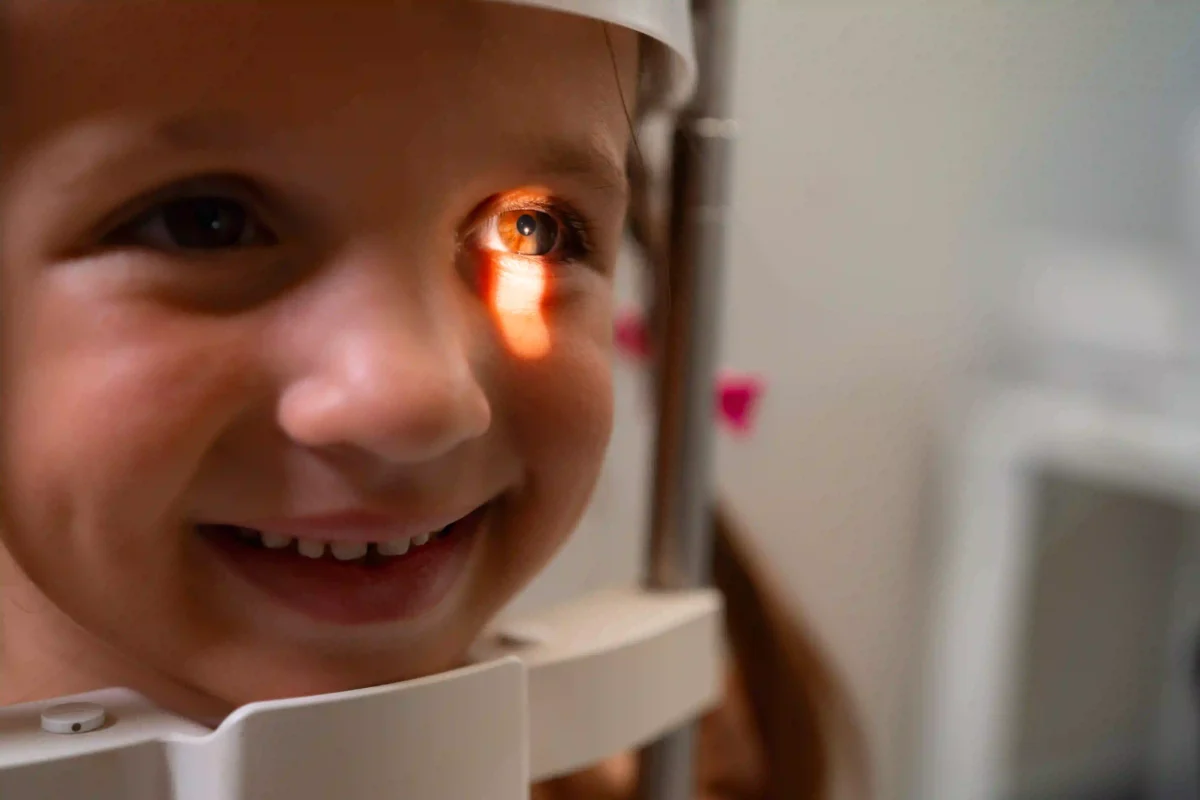
Is Monsoon Making Your Vision Worse? Cataract Treatment in Thrissur Explained
July 22, 2026
Have Any Questions?
Please contact us, if you have any queries
Categories
The monsoon season is undeniably beautiful. It brings cooler weather and refreshing rain to our daily lives, completely transforming the landscape around us. However, for a lot of people, these heavy downpours can unexpectedly make existing vision problems much more noticeable and frustrating.
Have you been experiencing blurry vision, an annoying increase in glare, or serious difficulty driving in the rain? Perhaps you are suddenly finding it a real struggle to see clearly in low light? If this sounds familiar, cataracts could actually be the cause of your struggles. While the rain itself obviously doesn’t cause cataracts to form, the cloudy skies, reduced visibility, and rapidly changing light conditions can make cataract symptoms feel significantly worse. Understanding these common symptoms early on and seeking timely cataract treatment can do wonders to protect your vision and drastically improve your overall quality of life.
Table of Contents
- Why Does Vision Feel Worse During the Monsoon?
- What Is a Cataract?
- When Should You Consider Cataract Surgery?
- How Cataract Treatment Works
- Benefits of Early Cataract Treatment
- Why Choose Dr. Rani Menon Maxivision Eye Hospital in Thrissur?
- Frequently Asked Questions
- Protect Your Vision This Monsoon
Why Does Vision Feel Worse During the Monsoon?
The heavy monsoon weather naturally creates highly specific lighting conditions that can easily make cataract symptoms much more noticeable than usual.
The sudden lack of sunshine and reduced natural light instantly decreases your visual clarity, making everything look a bit gloomier.
On top of that, wet roads and deep puddles act almost like mirrors. These reflections severely increase glare, especially when you are trying to navigate traffic. Cloudy weather naturally lowers your contrast sensitivity, meaning it becomes much harder to distinguish objects from their backgrounds. When you add glaring headlights cutting through the heavy rain, they often create highly distracting halos and scattered light. Furthermore, the high humidity that accompanies the rain may even worsen overall eye discomfort.
What Is a Cataract?
To understand the solution, it helps to understand the problem. A cataract develops when the eye’s natural lens – which should normally be crystal clear – becomes cloudy over time. This cloudiness acts like a dirty window, preventing light from passing through clearly to the back of your eye.
Common Symptoms to Watch For:
- A persistent blurred or cloudy vision that glasses can’t fix.
- Increasing difficulty seeing at night or in dimly lit rooms.
- A newly developed, sharp sensitivity to bright lights.
- Seeing distracting rings or halos around light sources.
- Needing frequent, unhelpful changes in your spectacle prescription.
- Noticing that colors seem faded, yellowed, or generally dull.
When Should You Consider Cataract Surgery?
There is an old misconception that you have to wait until a cataract is “ripe” or until you are completely blind to get it fixed. Today, cataracts should be treated when they simply begin affecting your daily life, rather than waiting until your vision becomes severely impaired.
You Should Consult an Eye Specialist If:
- Your declining vision is starting to affect your work performance or your daily household activities.
- Driving at night becomes frightening or overly difficult.
- Reading the newspaper or looking at your phone requires much brighter lighting than it used to.
- Your brand-new glasses no longer improve your vision.
- The glare from the sun or headlights makes outdoor activities actively uncomfortable.
How Cataract Treatment Works
If you are feeling nervous about the procedure, you can rest easy. Modern cataract surgery is universally recognized as one of the safest, fastest, and most effective eye procedures currently available in the medical world.
The Treatment Process:
- Initial Step: It all begins with a comprehensive eye examination to map out your specific eye health.
- Scanning: We use advanced diagnostic scans to get precise measurements of your eye.
- Lens Choice: Together, we manage the careful selection of the most suitable intraocular lens (IOL) to match your specific lifestyle needs.
- The Procedure: We perform a small-incision, minimally invasive cataract surgery that is incredibly precise.
- Healing: Patients enjoy a quick recovery time paired with thorough post-operative follow-up appointments.
Benefits of Early Cataract Treatment
Delaying your treatment doesn’t just prolong the inevitable; it can unnecessarily and deeply affect your quality of life and independence.
Advantages of Early Surgery:
- A massive return of improved vision and overall clarity.
- Significantly better, safer night driving without the fear of blinding glare.
- A highly welcomed reduction in frustrating glare and halos.
- Enhanced color perception—making the world look vibrant again.
- A greater sense of independence and safety in your daily routines.
- A much lower risk of the cataracts becoming overly dense and harder to remove later.
Why Choose Dr. Rani Menon Maxivision Eye Hospital in Thrissur?
Choosing a highly experienced eye hospital plays a massively important role in achieving a successful, stress-free treatment outcome. Your eyes deserve the best care possible.
What We Offer:
- A dedicated team of highly experienced cataract surgeons.
- The use of completely advanced diagnostic technology for precision care.
- State-of-the-art, modern phacoemulsification surgery techniques.
- A wide array of premium intraocular lens (IOL) options tailored to you.
- Deeply personalized treatment planning that treats you as an individual.
- Incredibly comprehensive pre- and post-operative care.
- A strict patient-first approach matched with the highest international standards of safety.
Frequently Asked Questions
No, absolutely not. Rain itself does not cause cataracts to form in your eyes. However, the specific monsoon lighting conditions - like the gloomy skies and high glare from wet roads - often make existing cataract symptoms much easier to notice.
No. This is a very common fear, but cataract surgery is performed under local anesthesia (usually just eye drops). Because of this, most patients experience little to absolutely no discomfort during the short procedure.
Healing times can vary, but many patients are thrilled to notice noticeably improved vision within just a few days. Complete healing and stabilization of the eye may take several weeks, heavily depending on your individual recovery process.
No. Once a cataract is physically removed from the eye, it simply does not grow back. However, some patients may eventually develop a temporary clouding on the membrane behind their new artificial lens. If this happens, it is nothing to panic over; it can be easily treated with a quick, painless laser procedure right in the office if needed.
Protect Your Vision This Monsoon
If the cloudy, gloomy monsoon weather has actively made your vision feel worse, please don’t ignore the warning signs. Blurry vision, increased glare, and a sudden difficulty seeing in low-light conditions may strongly indicate that you have cataracts that require a professional evaluation.
Early diagnosis and timely treatment can easily restore your clear vision and help you enjoy every single season with total confidence. Don’t let poor vision keep you indoors. Schedule a comprehensive eye examination with the dedicated specialists at Dr. Rani Menon Maxivision Eye Hospital in Thrissur today, and confidently take your very first step toward healthier, brighter eyesight.