
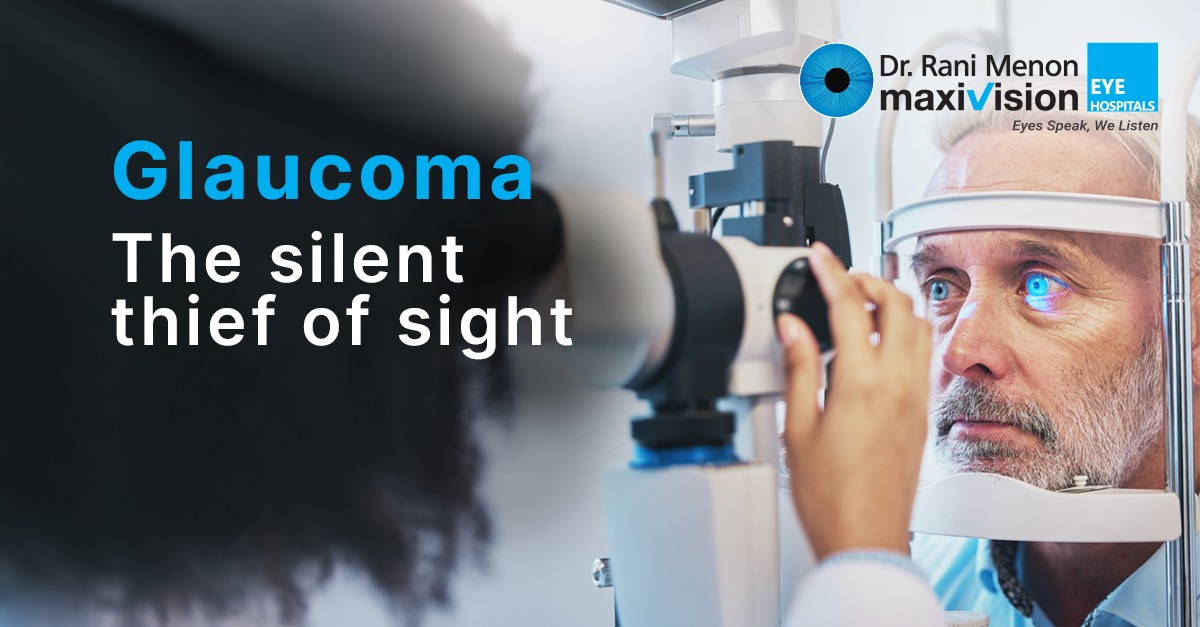
Glaucoma: The Silent Thief of Sight
Glaucoma is one of those conditions people rarely think about-until it quietly starts affecting their vision. Often called the “silent thief of sight”, it doesn’t come with pain or obvious warning signs in the beginning. Instead, it slowly damages the optic nerve, the part of your eye that sends visual signals to your brain. In most cases, this happens because of increased pressure inside the eye. The tricky part is that everything can feel completely normal while the damage is already happening. Many people continue their daily routines without realising that their vision is gradually being affected, only discovering the problem when it has already reached an advanced stage.
What makes glaucoma especially
concerning is how it progresses. It usually begins with a subtle loss of side vision, something that’s very easy to miss. Since your central vision remains clear in the early stages, there’s no immediate alarm. But over time, that field of vision starts to shrink, leading to what is commonly known as tunnel vision. If left untreated, this can eventually result in complete loss of sight. Unlike some other eye conditions, the vision lost due to glaucoma cannot be brought back. That’s why early detection isn’t just important—it’s absolutely critical. A simple eye check-up at the right time can make all the difference.
There are certain factors that can increase the risk of developing glaucoma. Age plays a big role, especially after forty. If you have diabetes or a family history of glaucoma, your chances are higher. People with high eye pressure or certain health conditions are also more vulnerable. But here’s the reality—glaucoma doesn’t always follow rules. Even those without clear risk factors can develop it. That’s why regular eye exams are so important, whether or not you feel there’s a problem. A detailed check-up helps detect early signs through pressure tests, optic nerve evaluation, and vision field analysis.
When it comes to treatment, the good news is that glaucoma can be managed effectively—especially when caught early. The focus of treatment is simple: reduce the pressure inside the eye and protect the optic nerve from further damage. In the early stages, doctors usually recommend medicated eye drops. These drops either reduce the amount of fluid produced in the eye or help it drain better. It may sound simple, but consistency is key. Missing doses or not following the routine properly can reduce the effectiveness of the treatment and allow the condition to progress.
If eye drops alone aren’t enough, doctors may suggest laser treatment. This is a quick and relatively comfortable procedure that helps improve the drainage system in the eye. By allowing fluid to flow more easily, it reduces the pressure and helps stabilise the condition. Most patients find it convenient because it doesn’t require a long recovery time, and they can get back to their normal routine soon after. It’s often a very effective next step when medications don’t fully control the pressure.
In more advanced situations, surgery might be necessary. While the word “surgery” can sound intimidating, modern techniques have made these procedures much safer and more reliable than before. The goal is to create a new pathway for fluid to drain from the eye, which helps bring the pressure down to a safer level. For many patients, surgery provides long-term control and helps prevent further vision loss. When performed at the right time by experienced specialists, the outcomes are generally very positive.
A common question people have is whether these treatments are really necessary. The honest answer is it depends on the stage of the condition. In the early phase, something as simple as eye drops might be enough. But as glaucoma progresses, more advanced treatments like laser or surgery may become essential. Delaying or avoiding treatment can lead to permanent vision loss, which cannot be reversed. So it’s not about fear—it’s about protecting what you have before it’s too late.
When it comes to something as important as your vision, choosing the right place for care matters a lot. Dr. Rani Menon Maxivision Eye Hospital has built a strong reputation for providing expert and compassionate eye care. With advanced diagnostic technology and experienced specialists, the hospital offers complete support—from early detection to advanced treatment. What truly makes a difference is their patient-first approach, ensuring that every individual receives the attention and care they need at every stage of their journey.
Glaucoma may be silent, but its impact can be life-changing if ignored. The best way to protect your vision is through awareness and timely action. Regular eye check-ups, especially if you fall into a higher risk category, can help catch the condition early and keep it under control. With the right treatment and proper follow-up, people with glaucoma can continue to live normal, healthy lives without significant vision problems.
Your eyesight is something you rely on every single day, often without even thinking about it. Taking a small step today can prevent a much bigger problem tomorrow. If it’s been a while since your last eye check-up, or if you have any concerns at all, don’t wait for symptoms to appear.
Schedule your appointment today at Dr. Rani Menon Maxivision Eye Hospital and take a confident step towards protecting your vision for the future.