Categories
Blog

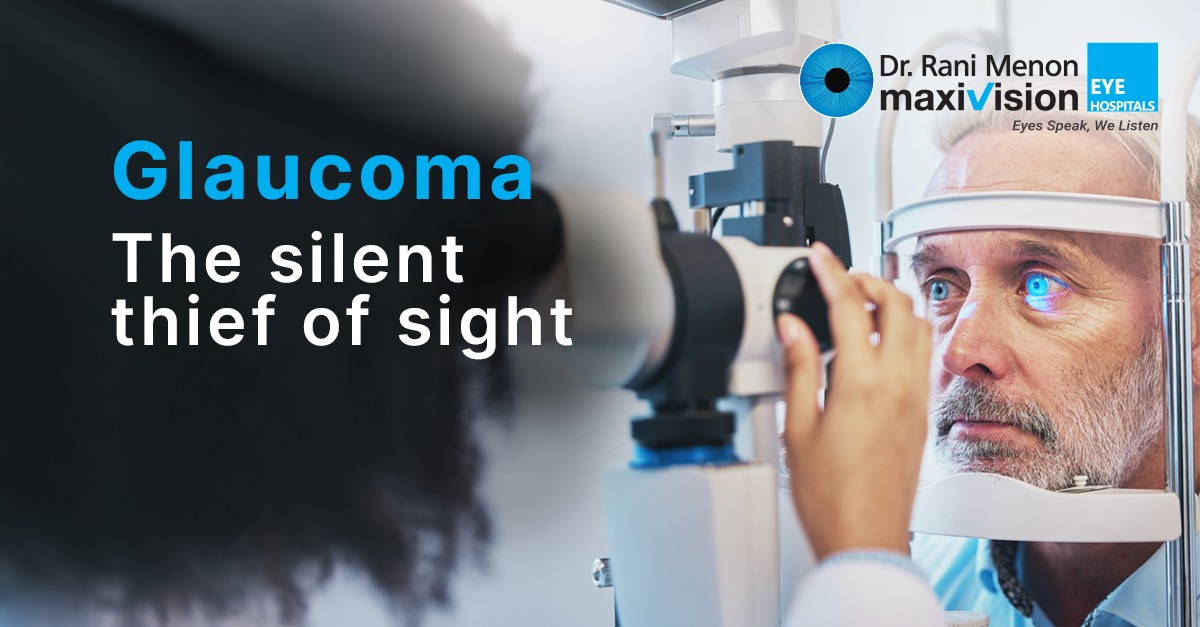
Glaucoma: The Silent Thief of Sight

Glaucoma: The Silent Thief of Sight

Glaucoma is one of those conditions people rarely think about-until it quietly starts affecting their vision. Often called the “silent thief of sight”, it doesn’t come with pain or obvious warning signs in the beginning. Instead, it slowly damages the optic nerve, the part of your eye that sends visual signals to your brain. In most cases, this happens because of increased pressure inside the eye. The tricky part is that everything can feel completely normal while the damage is already happening. Many people continue their daily routines without realising that their vision is gradually being affected, only discovering the problem when it has already reached an advanced stage.


What makes glaucoma especially

concerning is how it progresses. It usually begins with a subtle loss of side vision, something that’s very easy to miss. Since your central vision remains clear in the early stages, there’s no immediate alarm. But over time, that field of vision starts to shrink, leading to what is commonly known as tunnel vision. If left untreated, this can eventually result in complete loss of sight. Unlike some other eye conditions, the vision lost due to glaucoma cannot be brought back. That’s why early detection isn’t just important—it’s absolutely critical. A simple eye check-up at the right time can make all the difference.

There are certain factors that can increase the risk of developing glaucoma. Age plays a big role, especially after forty. If you have diabetes or a family history of glaucoma, your chances are higher. People with high eye pressure or certain health conditions are also more vulnerable. But here’s the reality—glaucoma doesn’t always follow rules. Even those without clear risk factors can develop it. That’s why regular eye exams are so important, whether or not you feel there’s a problem. A detailed check-up helps detect early signs through pressure tests, optic nerve evaluation, and vision field analysis.

When it comes to treatment, the good news is that glaucoma can be managed effectively—especially when caught early. The focus of treatment is simple: reduce the pressure inside the eye and protect the optic nerve from further damage. In the early stages, doctors usually recommend medicated eye drops. These drops either reduce the amount of fluid produced in the eye or help it drain better. It may sound simple, but consistency is key. Missing doses or not following the routine properly can reduce the effectiveness of the treatment and allow the condition to progress.

If eye drops alone aren’t enough, doctors may suggest laser treatment. This is a quick and relatively comfortable procedure that helps improve the drainage system in the eye. By allowing fluid to flow more easily, it reduces the pressure and helps stabilise the condition. Most patients find it convenient because it doesn’t require a long recovery time, and they can get back to their normal routine soon after. It’s often a very effective next step when medications don’t fully control the pressure.

In more advanced situations, surgery might be necessary. While the word “surgery” can sound intimidating, modern techniques have made these procedures much safer and more reliable than before. The goal is to create a new pathway for fluid to drain from the eye, which helps bring the pressure down to a safer level. For many patients, surgery provides long-term control and helps prevent further vision loss. When performed at the right time by experienced specialists, the outcomes are generally very positive.

A common question people have is whether these treatments are really necessary. The honest answer is it depends on the stage of the condition. In the early phase, something as simple as eye drops might be enough. But as glaucoma progresses, more advanced treatments like laser or surgery may become essential. Delaying or avoiding treatment can lead to permanent vision loss, which cannot be reversed. So it’s not about fear—it’s about protecting what you have before it’s too late.

When it comes to something as important as your vision, choosing the right place for care matters a lot. Dr. Rani Menon Maxivision Eye Hospital has built a strong reputation for providing expert and compassionate eye care. With advanced diagnostic technology and experienced specialists, the hospital offers complete support—from early detection to advanced treatment. What truly makes a difference is their patient-first approach, ensuring that every individual receives the attention and care they need at every stage of their journey.

Glaucoma may be silent, but its impact can be life-changing if ignored. The best way to protect your vision is through awareness and timely action. Regular eye check-ups, especially if you fall into a higher risk category, can help catch the condition early and keep it under control. With the right treatment and proper follow-up, people with glaucoma can continue to live normal, healthy lives without significant vision problems.

Your eyesight is something you rely on every single day, often without even thinking about it. Taking a small step today can prevent a much bigger problem tomorrow. If it’s been a while since your last eye check-up, or if you have any concerns at all, don’t wait for symptoms to appear.

Schedule your appointment today at Dr. Rani Menon Maxivision Eye Hospital and take a confident step towards protecting your vision for the future.
Categories
Blog

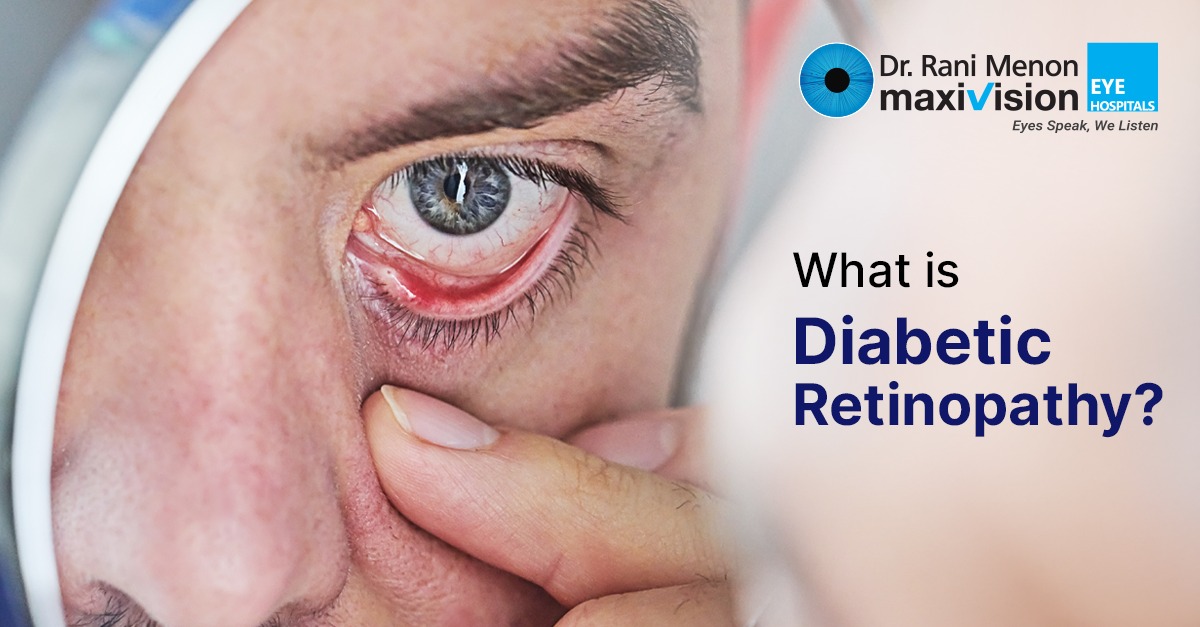
What is Diabetic Retinopathy?

What is Diabetic Retinopathy?

Diabetic retinopathy is a condition that slowly affects your vision if you’re living with diabetes. It happens when high blood sugar levels, over time, start damaging the tiny blood vessels in the retina—the part of your eye that helps you see clearly.

At first, this damage is subtle. The vessels may weaken, leak a little fluid, or get blocked. You won’t feel it happening, and most people don’t notice anything unusual in the early stages. But inside the eye, changes are quietly progressing. As the condition advances, the eye may try to grow new blood vessels, but these are fragile and can bleed easily, affecting vision further.

That’s what makes diabetic retinopathy dangerous—it doesn’t give you early warning signs. You might feel your vision is perfectly fine while the condition is already developing. Over time, you may begin to notice blurred vision, dark spots, or difficulty seeing clearly. In severe cases, it can even lead to permanent vision loss. This is why regular eye checkups are so important, even when everything feels normal.


Treatment for Diabetic Retinopathy

Treatment for diabetic retinopathy isn’t one-size-fits-all—it depends on how early the condition is detected. In the beginning, managing your blood sugar well can go a long way in slowing things down. Keeping your blood pressure and cholesterol under control also helps protect your eyes.

When the condition progresses, doctors step in with treatments that are designed to protect your vision. Laser therapy is one of them, where targeted light is used to seal leaking blood vessels and prevent further damage. Another common treatment is anti-VEGF injections, which help reduce swelling and stop abnormal blood vessel growth inside the eye.

In more advanced cases, when there is bleeding or scar tissue affecting vision, a procedure called vitrectomy may be needed. This surgery helps clear the eye and stabilise the retina.

It’s important to understand that these treatments are not about “fixing everything overnight”. They are about controlling the condition, slowing it down, and protecting the vision you still have.


Procedure Success Rate

The good news is that modern treatments for diabetic retinopathy are quite effective—especially when the condition is caught early. Many people are able to maintain their vision and prevent it from getting worse. In some cases, there can even be noticeable improvement.

But success doesn’t depend on treatment alone. It also depends on how well diabetes is managed, how early the condition was detected, and how regularly follow-ups are done. Think of it as a team effort between you and your doctor—consistent care makes a real difference.

Even in advanced stages, surgical treatments can help improve functional vision and reduce further complications, giving patients a better quality of life.


Is the Procedure Really Necessary?

It’s completely natural to feel unsure when a doctor suggests a procedure—especially if you’re not experiencing any major symptoms. But with diabetic retinopathy, waiting can be risky.

This condition doesn’t always show clear signs early on. By the time vision problems become noticeable, the damage may already be significant. When your doctor recommends a treatment, it’s usually because they’ve spotted changes that need attention right away.

So no, these procedures aren’t optional when advised—they’re necessary steps to protect your eyesight. Acting early can help you avoid serious complications later.


Available Treatment Options

Managing diabetic retinopathy is about balance. Along with keeping your blood sugar under control, doctors may use treatments like laser therapy, eye injections, or surgery depending on how the condition is progressing. Every treatment plan is personalised, because no two eyes—or patients—are the same.


Why Choose Dr. Rani Menon Maxivision Eye Hospital?

When it comes to your vision, you want care you can trust. Dr. Rani Menon, Maxivision Eye Hospital, combines experienced specialists with advanced technology to provide accurate diagnosis and effective treatment.

With centres across Thrissur, Guruvayur, Wadakanchery, and Kunnamkulam, the focus is always on early detection, personalised care, and long-term eye health. Whether it’s a routine checkup or advanced retinal treatment, you’re in safe hands.

Your eyes won’t always warn you—but that doesn’t mean you should wait.

If you have diabetes, make eye checkups a regular habit, even if your vision feels perfectly fine today. A simple screening can make a life-changing difference.

Book your appointment at Dr. Rani Menon Maxivision Eye Hospital today.

Categories
Blog

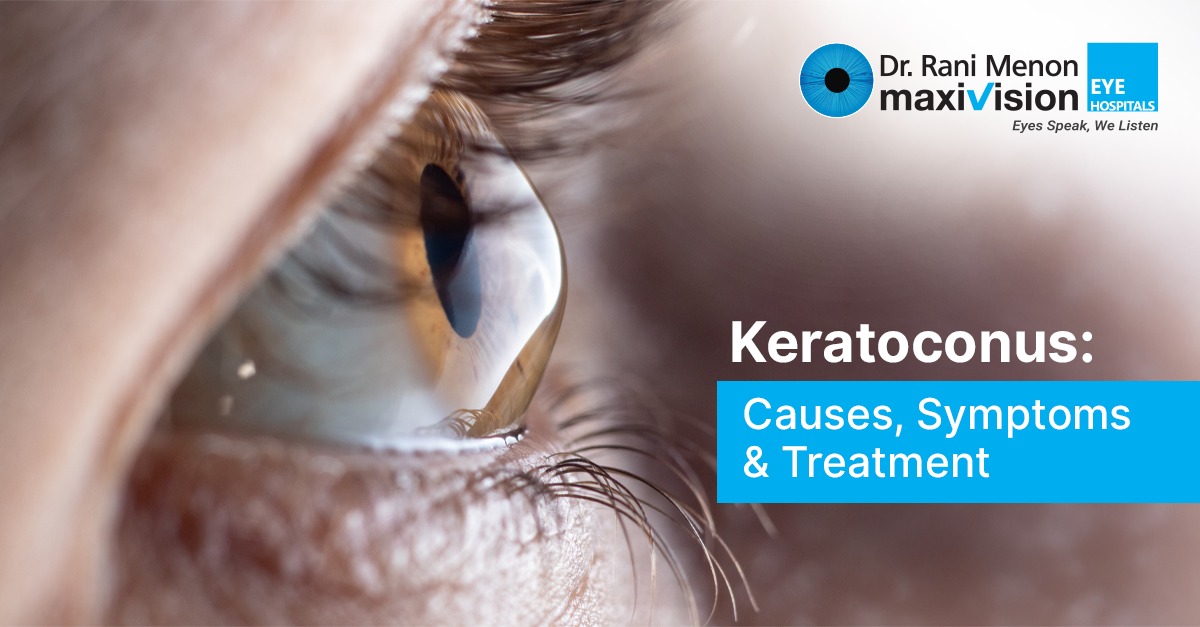
Keratoconus: Causes, Symptoms & Treatment

Keratoconus: Causes, Symptoms & Treatment

Keratoconus is a condition in which the cornea, the clear front surface of the eye, gradually becomes thinner and starts to bulge outward into a cone-like shape. Because of this change, light entering the eye doesn’t focus properly, leading to blurred and distorted vision. It usually begins during the teenage years or early adulthood and slowly progresses over time if not managed early.

The exact cause of keratoconus is not always clear, but several factors are known to contribute. Often, it can run in families, suggesting a genetic link. Frequent or vigorous eye rubbing is considered one of the most common triggers. Conditions like allergies, chronic eye irritation, and anything that weakens the cornea over time can also play a role in its development.

In the early stages, keratoconus may not cause noticeable symptoms, which is why many people are unaware of it at first. As the condition progresses, vision may become increasingly blurred or distorted, and sensitivity to light may develop. People often find that their glasses prescription keeps changing frequently, and seeing clearly at night becomes difficult. Some may also experience eye strain or even double vision in one eye, making everyday activities more challenging.


Early Stage

In the initial stages, keratoconus can often be managed with glasses or soft contact lenses, which help correct vision to a certain extent. As the condition progresses and vision becomes more irregular, specially designed lenses such as rigid gas-permeable lenses or scleral lenses are recommended to provide clearer and more stable vision.


Corneal Cross-Linking (CXL)

Corneal cross-linking is one of the most effective treatments available to stop keratoconus from progressing. This minimally invasive procedure uses riboflavin eye drops along with ultraviolet light to strengthen the cornea. The procedure usually takes around 30 to 60 minutes and is designed to prevent further thinning and bulging. While it may not reverse the condition, it plays a crucial role in preserving vision by stopping it from getting worse.


Advanced Treatment Options

In more advanced stages, when vision cannot be corrected with lenses alone, additional procedures may be required. Intacs, which are small ring-shaped implants, can be placed in the cornea to improve its shape and vision. In severe cases where the cornea is significantly damaged, a corneal transplant may be recommended as a long-term solution.


Success Rate

Corneal cross-linking has shown a high success rate, with about 90 to 95 per cent effectiveness in stopping the progression of keratoconus. Speciality contact lenses also provide excellent visual improvement for many patients. In advanced cases, corneal transplants have a success rate ranging between 85 and 95 per cent, making them a reliable option when other treatments are not sufficient.


Is the Procedure Necessary?

Not every case of keratoconus requires immediate surgical treatment. If the condition remains stable, vision can often be managed effectively with glasses or contact lenses. However, when there are signs that the condition is progressing, undergoing corneal cross-linking becomes important to prevent further damage. Delaying treatment can lead to more severe vision problems and may eventually require more complex procedures like a corneal transplant. Early intervention is always the safer and more effective approach.


Why Dr Rani Menon at Maxivision Eye Hospital?

Dr. Rani Menon Maxivision Eye Hospital in Thrissur offers advanced care for keratoconus with modern diagnostic tools and treatment options. With experienced specialists and procedures like corneal cross-linking, patients receive personalised care tailored to their condition, ensuring the best possible outcomes.


Take the First Step

Your vision is too important to ignore. If you notice any changes in your eyesight or experience symptoms of keratoconus, it’s important to seek expert care without delay. Schedule your appointment today and take the first step toward clearer, healthier vision

Categories
Blog

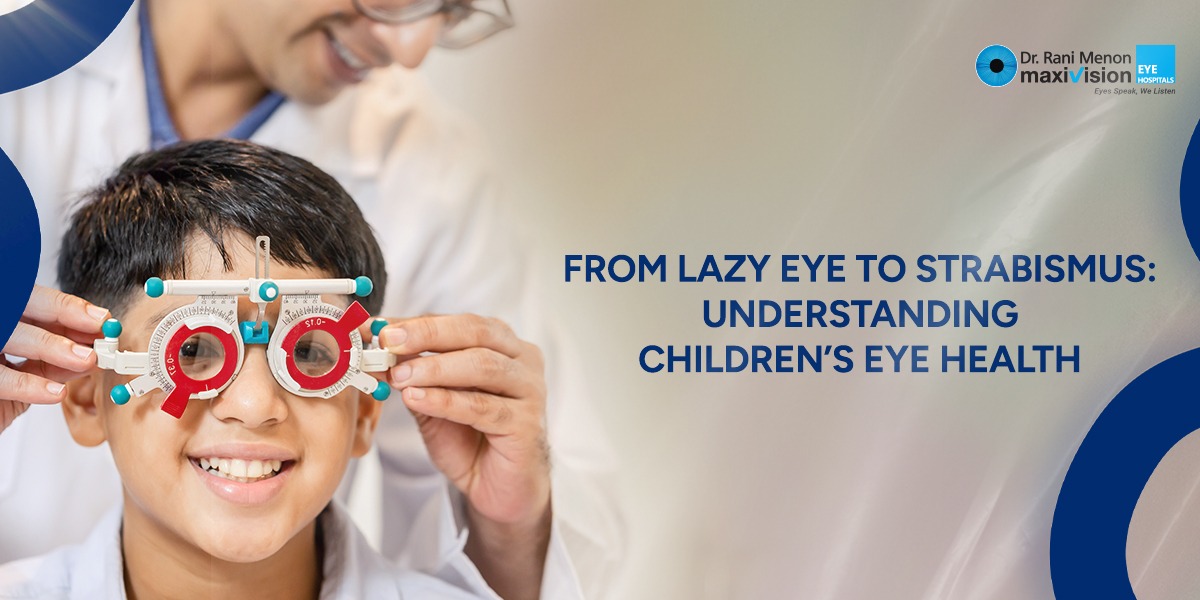
From Lazy Eye to Strabismus: Understanding Children’s Eye Health

From Lazy Eye to Strabismus: Understanding Children’s Eye Health

Children’s vision is of utmost importance in their overall development. Good eye health is essential for learning, playing and exploring the world around them. However, many parents are unaware that children can suffer from eye problems as in the case of adults. Early detection and timely treatment of eye conditions can prevent long-term vision issues and ensure your child grows with healthy eyes.

Common Eye Problems in Children

Refractive errors such as myopia (nearsightedness), hyperopia (farsightedness), and astigmatism are some of the most common vision problems in children. These conditions affect how light is focused in the eye, leading to blurred vision. Signs include squinting, sitting too close to the TV, or complaining of headaches. Prescription glasses or contact lenses can effectively correct these issues.

Amblyopia (Lazy Eye)

Amblyopia (Lazy Eye) occurs when one eye does not develop properly. It can lead to poor vision in the affected eye if not treated early. Patch therapy, corrective lenses, or vision exercises are often recommended by pediatric ophthalmologists to strengthen the weaker eye.

Strabismus (Crossed Eyes)

Strabismus (Crossed Eyes) is a condition where the eyes do not align properly. One eye may turn inward, outward, upward, or downward while the other focuses normally. Left untreated, strabismus can lead to double vision or amblyopia. Early intervention with glasses, eye exercises, or surgery can correct the alignment.

Eye Infections and Allergies

Children are more prone to conjunctivitis (pink eye) and eye allergies. Symptoms include redness, itching, tearing, and discharge. Proper hygiene and timely medical treatment can prevent these infections from worsening and affecting vision.

Other Eye Conditions

Less common but serious conditions include cataracts, glaucoma, and retinopathy of prematurity in newborns. Regular eye checkups help in early diagnosis and treatment of these potentially sight-threatening problems.

Children may not always communicate vision problems, making it essential for parents to stay vigilant. Regular eye exams ensure early detection and effective treatment, supporting your child’s learning, confidence, and overall development.

If you are concerned about your child’s vision or want expert guidance on pediatric eye care, schedule a consultation with Dr. Rani Menon Maxivision Eye Hospital today. With their expertise and advanced facilities, you can be confident of giving your child the best chance for clear and healthy vision.

Categories
Blog

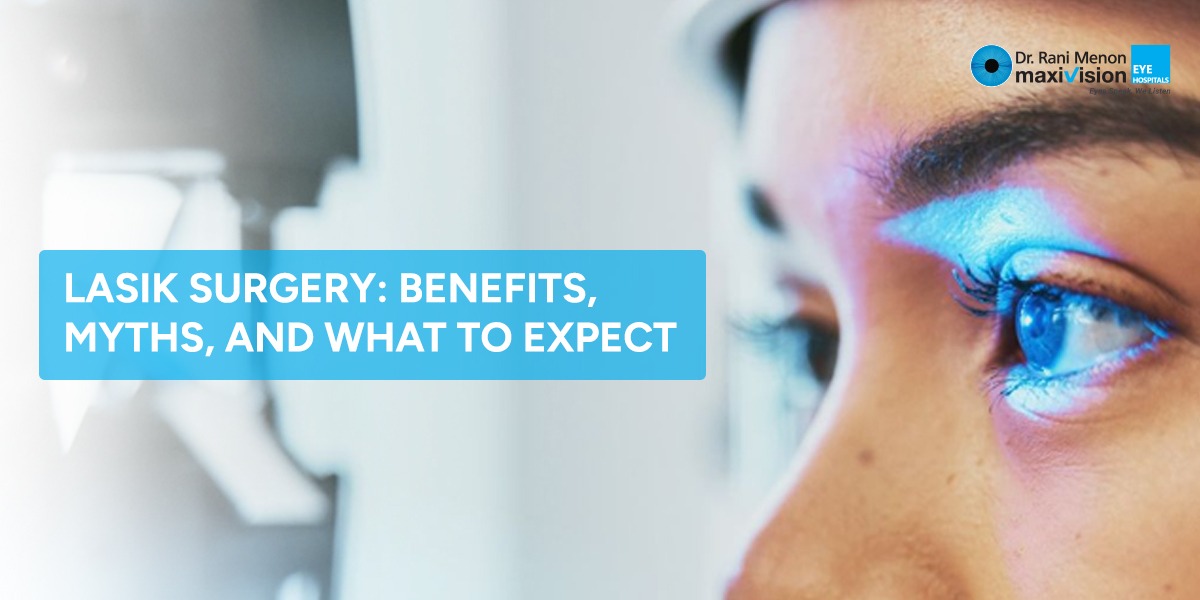
LASIK Surgery: Benefits, Myths, and What to Expect

LASIK Surgery: Benefits, Myths, and What to Expect

Are you tired of depending on glasses or contact lenses? LASIK surgery in Kerala offers an effective and safe solution for correcting refractive errors such as myopia, hyperopia and astigmatism. With advanced techniques in corrective eye surgery, patients can expect precise, safe and long-lasting results.


Benefits of LASIK surgery
  • Immediate vision improvement: Most patients notice clear eyesight within 24 hours, often reducing or eliminating the need for glasses or contact lenses.
  • Minimally invasive & fast recovery: LASIK is a quick procedure with minimal discomfort, allowing patients to resume daily activities almost immediately.
  • Enhanced quality of life: Enjoy clear vision without giving up your favourite activities.
  • Long-term benefits: LASIK provides a permanent correction for refractive errors, offering long-term cost savings and reducing risks such as dry eyes or infections from prolonged contact lens use.

Common myths about LASIK surgery

  • Myth 1: LASIK surgery is painful
    LASIK is virtually painless. Numbing eye drops are used, and most patients feel only mild pressure during the procedure.
  • Myth 2: LASIK is unsafe
    LASIK is a well-established, FDA-approved procedure performed using advanced laser technology with a high success rate.
  • Myth 3: Vision correction doesn’t last long
    LASIK offers long-term vision correction. For most patients, results remain stable for years.
  • Myth 4: Anyone can undergo LASIK
    Not everyone is eligible. A detailed eye evaluation is required to ensure LASIK is safe and suitable for you.


What to expect

LASIK surgery is quick and virtually painless. The procedure typically takes 10–15 minutes, and most patients notice vision improvement the very next day. Post-surgery, you will receive detailed guidance on eye care to ensure a smooth recovery. With regular follow-ups at Maxivision Eye Hospital, you can be confident of achieving the best possible outcome.

If you are considering LASIK surgery in Kerala, schedule a consultation with Dr. Rani Menon at Maxivision Eye Hospital today. Experience the life-changing benefits of corrective eye surgery and regain clear, crisp vision.