
Advanced Oculoplasty Care for Functional and Cosmetic Eye Concerns
The structures surrounding the eyes play an important role in protecting the eye, supporting normal eyelid movement, and maintaining effective tear drainage. Conditions affecting these structures may cause discomfort, excessive tearing, changes in eyelid position, or concerns about appearance.
At Dr. Ranimenon Maxivision Eye Hospital, our oculoplasty services focus on the assessment and management of conditions involving the eyelids, tear drainage system, orbit, and surrounding tissues.
Our specialists evaluate each patient’s condition and recommend suitable treatment options based on clinical findings, functional requirements, and individual needs.
From initial assessment to surgical management and follow-up, we aim to provide clear information to help patients understand their condition and make informed decisions about their care.
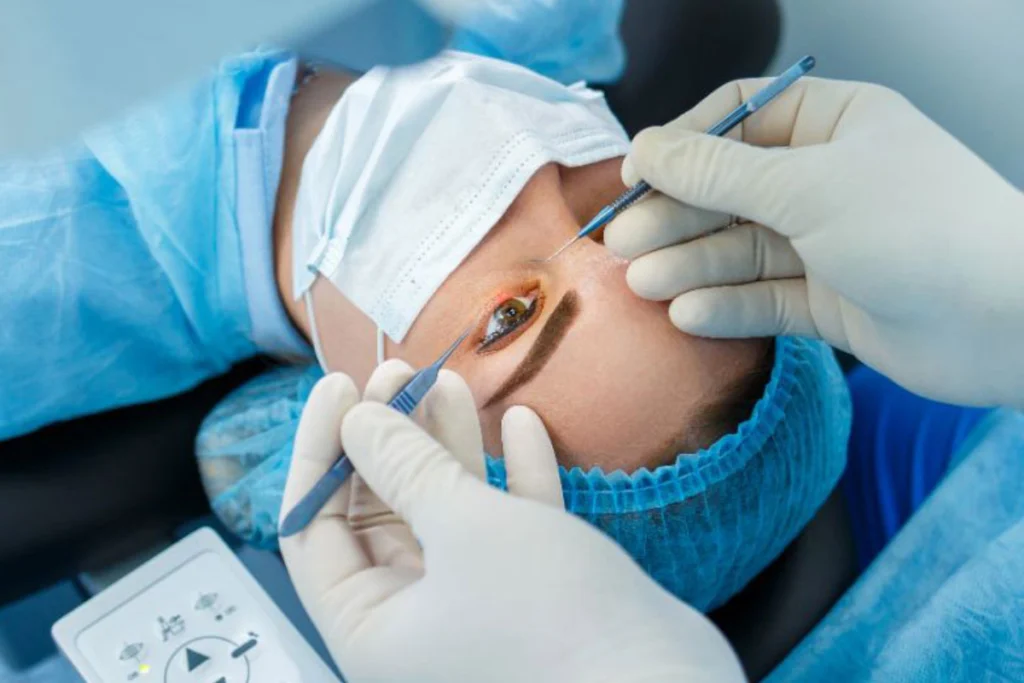
What Is Oculoplasty?
Oculoplasty, also known as ophthalmic plastic and reconstructive surgery, is a specialized area of eye care concerned with the eyelids, eye socket or orbit, tear drainage system, and surrounding facial structures.
Oculoplastic treatment may be required for functional problems, injuries, abnormal tissue growth, reconstructive needs, and selected cosmetic concerns.
Depending on the condition, management may involve observation, medical treatment, a surgical procedure, or a combination of approaches.
Oculoplasty Procedures We Offer
Ptosis Surgery
Ptosis refers to drooping of the upper eyelid. Depending on its severity, it may affect appearance and, in some cases, interfere with the upper field of vision.
Ptosis surgery aims to improve eyelid position by addressing the structures responsible for lifting the eyelid. The appropriate surgical approach depends on the cause and severity of the drooping and the function of the eyelid muscles.
Treatment for Blocked Tear Ducts
Tears normally drain from the eyes through a system of small openings and ducts. When this drainage pathway becomes blocked or narrowed, tears may accumulate and flow over the cheeks.
This condition, known as epiphora when it causes excessive tearing, can have several underlying causes.
Assessment helps determine the location and possible cause of the obstruction so that suitable treatment options can be discussed.
Orbital Fracture Management
The orbit is the bony cavity that surrounds and protects the eye. Trauma to this area may cause an orbital fracture and can be associated with swelling, double vision, restricted eye movement, or changes in the position of the eye.
Management depends on the nature of the injury and the findings of the clinical assessment and imaging investigations. Some cases require observation, while others may need surgical intervention.
Removal of Orbital and Eyelid Tumours
Growths can develop in the eyelids and the tissues within or around the orbit. These may be benign or malignant and require appropriate assessment.
Depending on the location and characteristics of the lesion, management may involve surgical removal and, when indicated, histopathological examination of the tissue.
The treatment plan is determined by the specialist based on the clinical findings and the suspected nature of the growth.
Eyelid Reconstruction
Eyelid reconstruction may be required when tissue is damaged or lost because of trauma, tumour removal, or other conditions.
Reconstructive procedures aim to restore eyelid structure and function while protecting the eye and supporting appropriate eyelid closure. The surgical technique depends on the size, location, and extent of the affected tissue.
Eyelid Lift Procedures
Eyelid lift procedures may be considered for selected concerns involving excess eyelid skin or eyelid position.
The appropriate procedure depends on whether the concern is primarily functional, cosmetic, or a combination of both. A specialist assessment helps determine the most suitable approach.
Eyebrow Lift Procedures
Changes in eyebrow position may contribute to heaviness around the upper eyelids or affect the appearance of the surrounding area.
An eyebrow lift is a procedure intended to reposition the eyebrows in selected patients. Suitability depends on individual anatomy, functional concerns, and treatment goals.
Botox Treatment
Botulinum toxin injections may be used for selected conditions involving specific muscles around the eyes and face, as well as certain cosmetic concerns.
Treatment suitability, injection sites, expected effects, and possible risks should be discussed with the treating specialist before the procedure.
Your Oculoplasty Treatment Journey
Assessment, Treatment Planning and Follow-Up
1. Initial Assessment
The specialist evaluates your symptoms, relevant medical history, and concerns affecting the eyelids, tear drainage system, orbit, or surrounding tissues.
2. Diagnostic Evaluation
Clinical examinations and any necessary investigations help establish the nature of the condition and guide treatment planning.
3. Individualized Treatment Plan
The available options are explained according to the diagnosis, including the potential benefits, limitations, and risks of recommended procedures.
4. Treatment and Surgical Care
When a procedure is indicated, the specialist discusses the appropriate approach and provides relevant preoperative guidance.
5. Recovery and Follow-Up
Follow-up appointments help assess recovery, monitor the treated area, and identify any concerns that may require further attention.
Frequently Asked Questions
Consider an assessment if you experience persistent excessive tearing, drooping eyelids, a lump or growth around the eye, eyelid abnormalities, or concerns involving the eye socket. Sudden vision changes, severe eye pain, or significant eye injuries require urgent medical evaluation.
No. Treatment depends on the cause and severity of the condition. Some concerns may be managed without surgery, while others may require a procedure.
No. Eyelid surgery can address functional problems, reconstruct damaged tissue, remove abnormal growths, or improve selected cosmetic concerns.
Recovery varies depending on the procedure, the patient's health, and the extent of treatment. Your surgeon will provide procedure-specific guidance on recovery and follow-up.
Take the Next Step Towards Appropriate Care
If you have concerns involving your eyelids, tear drainage system, or surrounding eye structures, a specialist assessment can help you understand the cause and available treatment options.